
What is Pashmina? Fibre, cashmere and Kashmir craft
Before pattern, price or prestige, understand what Pashmina is, how it relates to cashmere, and how fine fibre becomes a finished Kashmir shawl.

The word Pashmina is used so freely that it can conceal more than it reveals. In some shops it describes a colour, in others a soft-feeling scarf, and in still others a blend whose exact composition is never explained. For a serious buyer, the useful question is not simply, “Is this Pashmina?” It is, “What is this fibre, how was it prepared, how was this cloth made, and what work has been added to it?” Those questions move the conversation away from romance alone and toward respect for the material and the people who shape it.
The fibre before the shawl
Pashmina begins with fine under-fleece associated with goats adapted to the severe cold of the high-altitude Changthang region of Ladakh and adjoining Himalayan areas. The animal grows a protective coat to survive a landscape of strong wind, sparse vegetation, and deep winter. Beneath the coarser outer hair lies a finer insulating layer. That fine material, collected seasonally and separated from the coarse hair, is the beginning of Pashmina. It is precious not because someone has given it a luxurious name, but because the useful yield is limited and the work of cleaning, sorting, and preparing it demands judgment.
Raw fibre does not arrive as a perfect cloud ready for weaving. It contains variations that must be understood. The finest portions need careful dehairing and cleaning. Excessive mechanical handling can weaken character; careless sorting can leave coarse fibres in the finished cloth. When buyers compare two shawls that appear similar in a distant photograph, they may be comparing very different levels of fibre selection, spinning consistency, weave, finishing, and decorative work. Softness at first touch is only one clue. Balance, warmth without heaviness, resilience, drape, and the behaviour of the surface over time matter just as much.
Pashmina and cashmere: related, but not a complete buying answer
Cashmere is the broader fibre family associated with fine goat undercoat. Pashmina is a more specific craft and origin term, but retail usage varies widely between countries and sellers. That is why a buyer should not treat either word as a complete specification. Ask for the fibre composition of the exact shawl, where the fibre claim comes from, how the yarn was prepared, how the cloth was woven and what any certificate or GI record actually supports.
A label reading “cashmere blend,” “silk Pashmina” or simply “Pashmina” may describe genuinely different cloths. A blend can be an intentional textile, but its components should be stated clearly. The practical comparison is therefore not which word sounds more luxurious; it is whether fibre, making, dimensions, handwork and provenance are described honestly enough for the piece in front of you.
Why the handloom matters
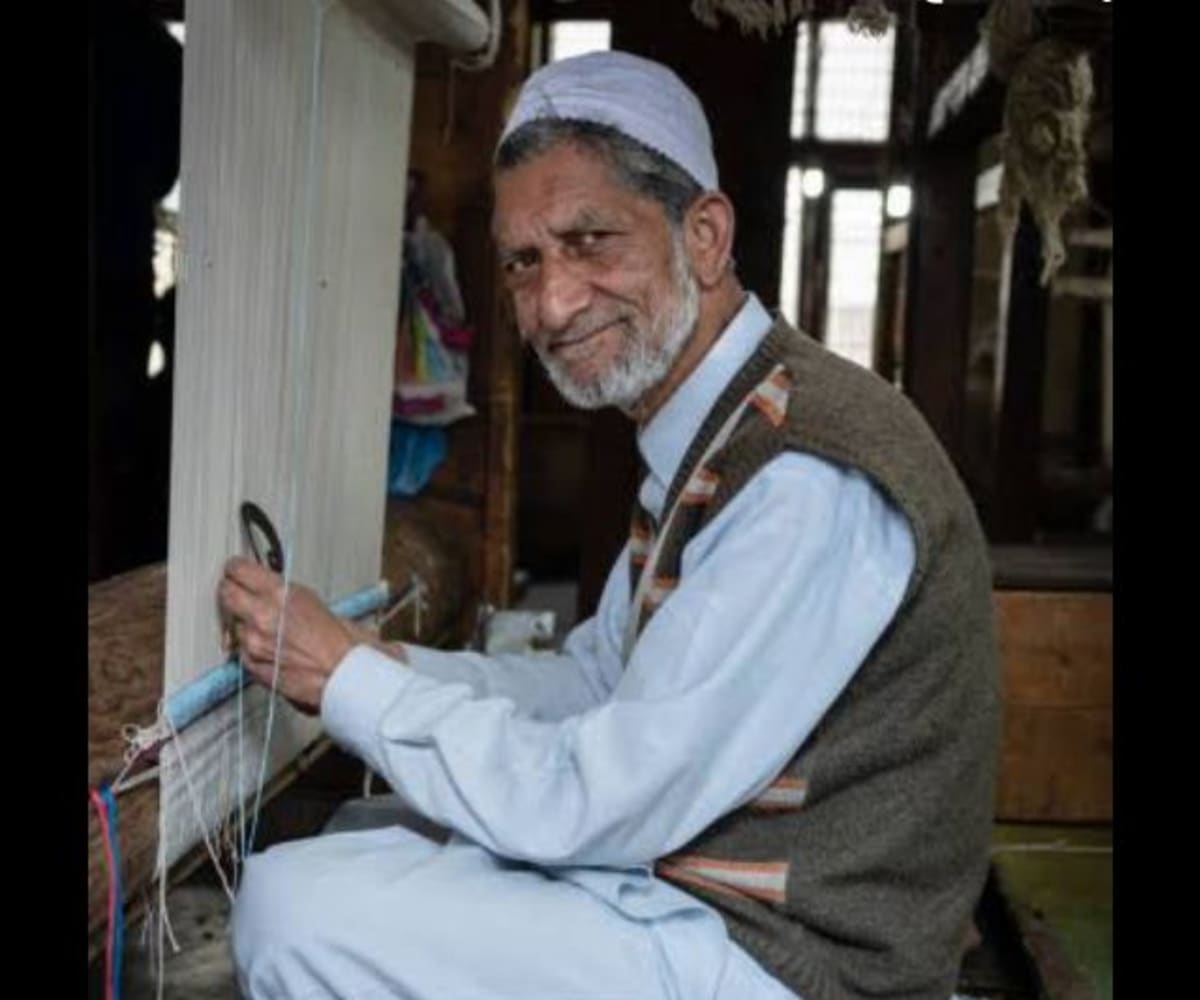
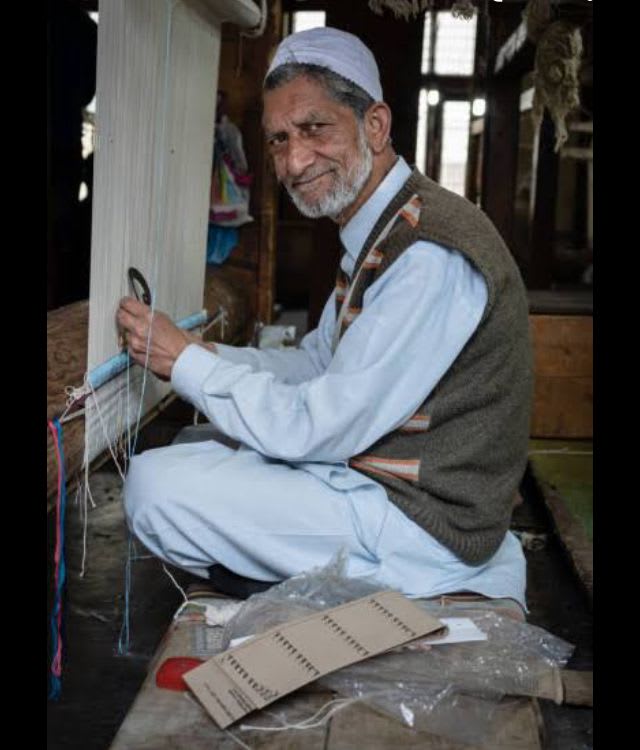
A handwoven shawl carries the rhythm of a loom operated by a person, not the rigid repetition of an industrial line. This does not mean that every irregularity is beautiful or that poor work should be excused as “handmade.” Skilled handwork is disciplined. The weaver manages tension so the cloth remains light, stable, and graceful. Tiny variations may remain, but the finished shawl should feel resolved rather than careless. The achievement is not merely slowness. It is control: creating a cloth fine enough to drape naturally while strong enough to be worn, folded, and passed on.
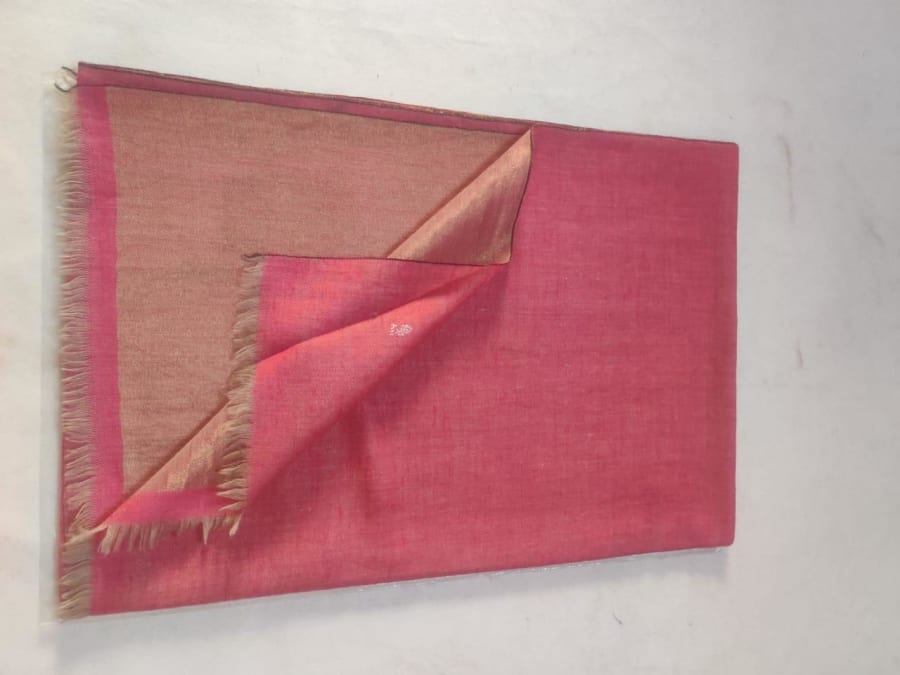
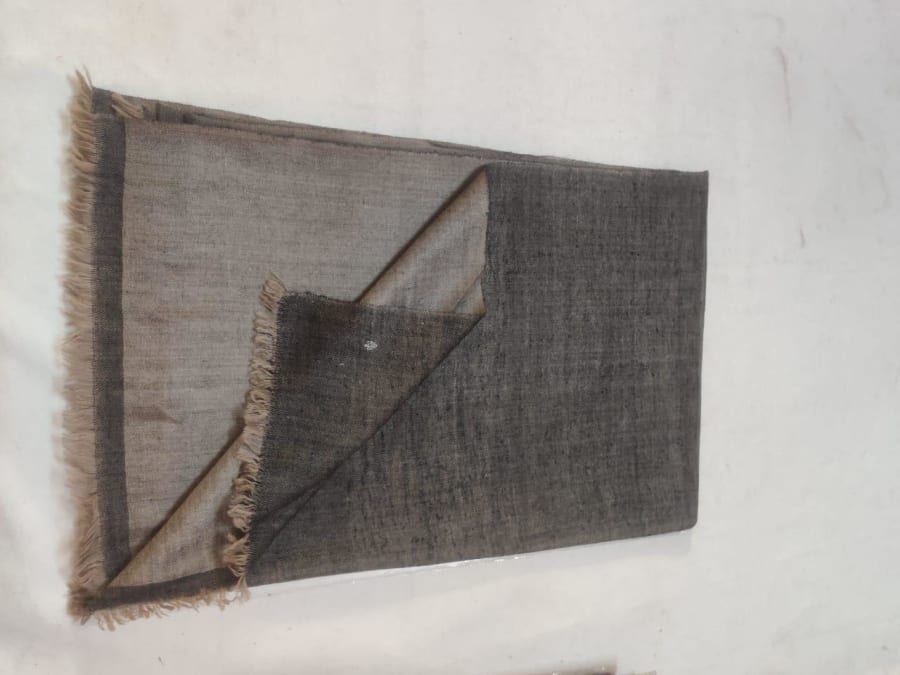
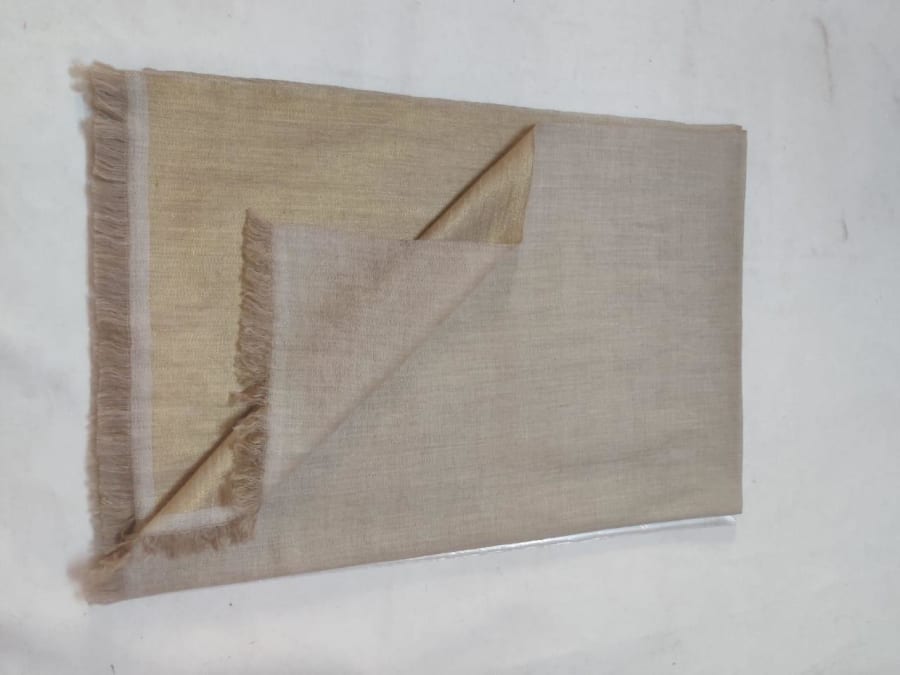
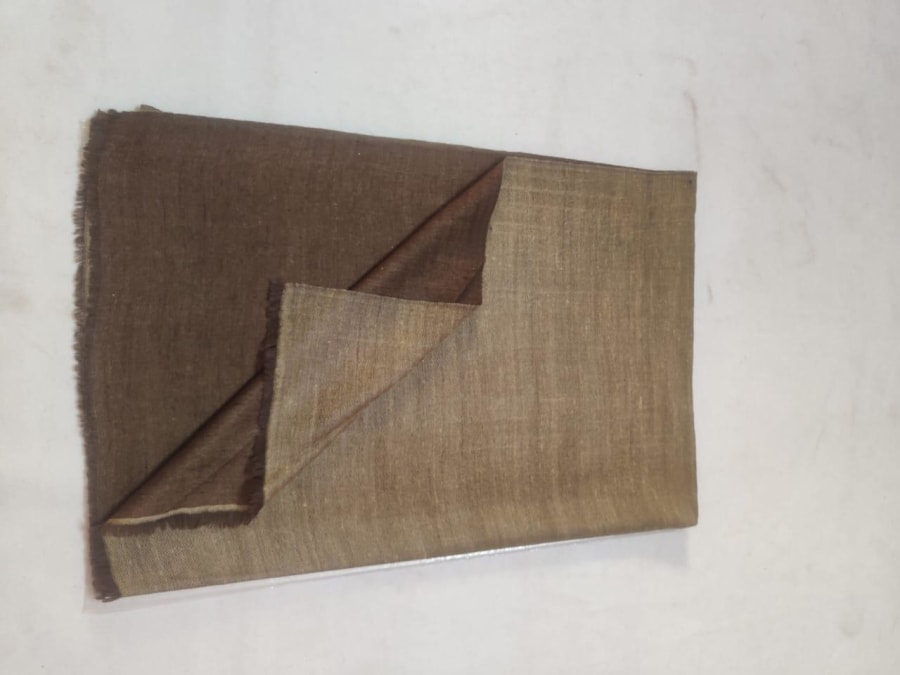
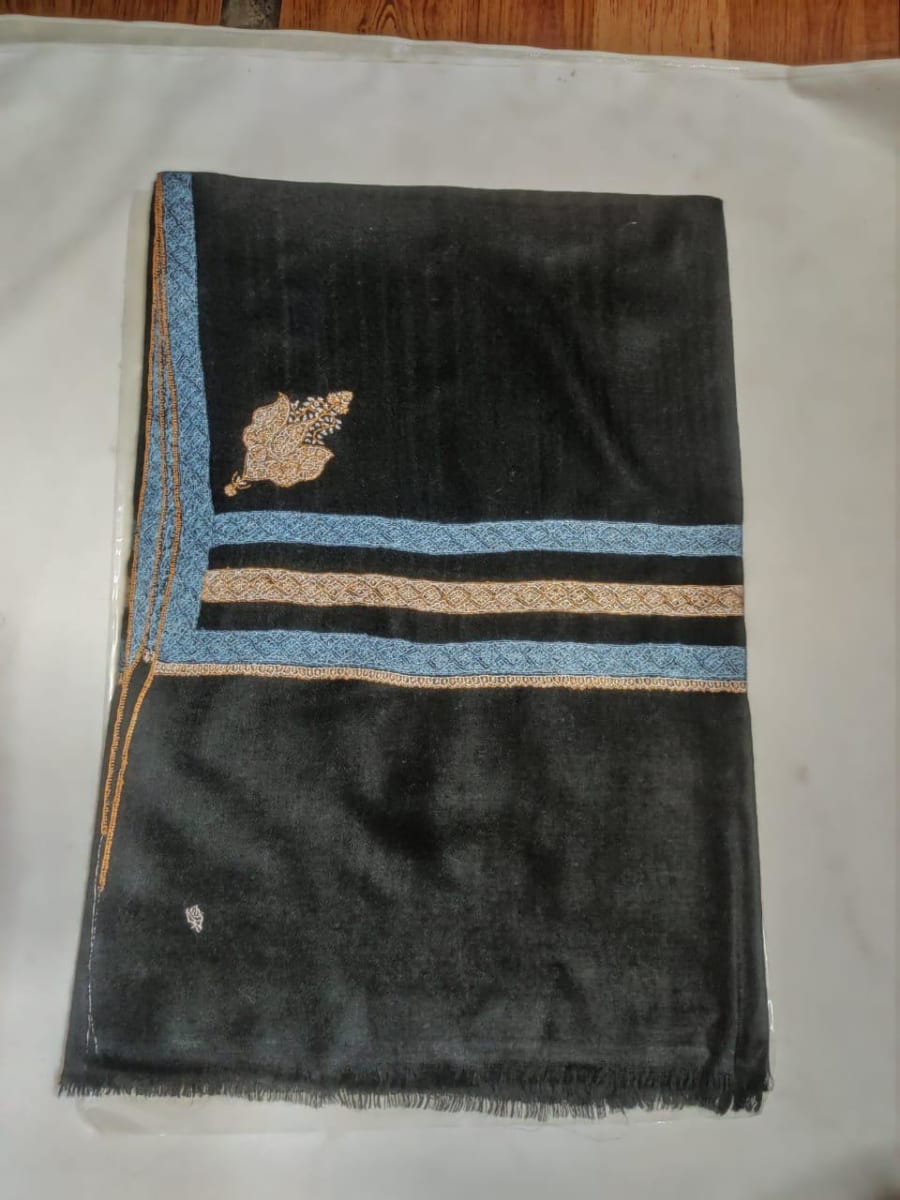
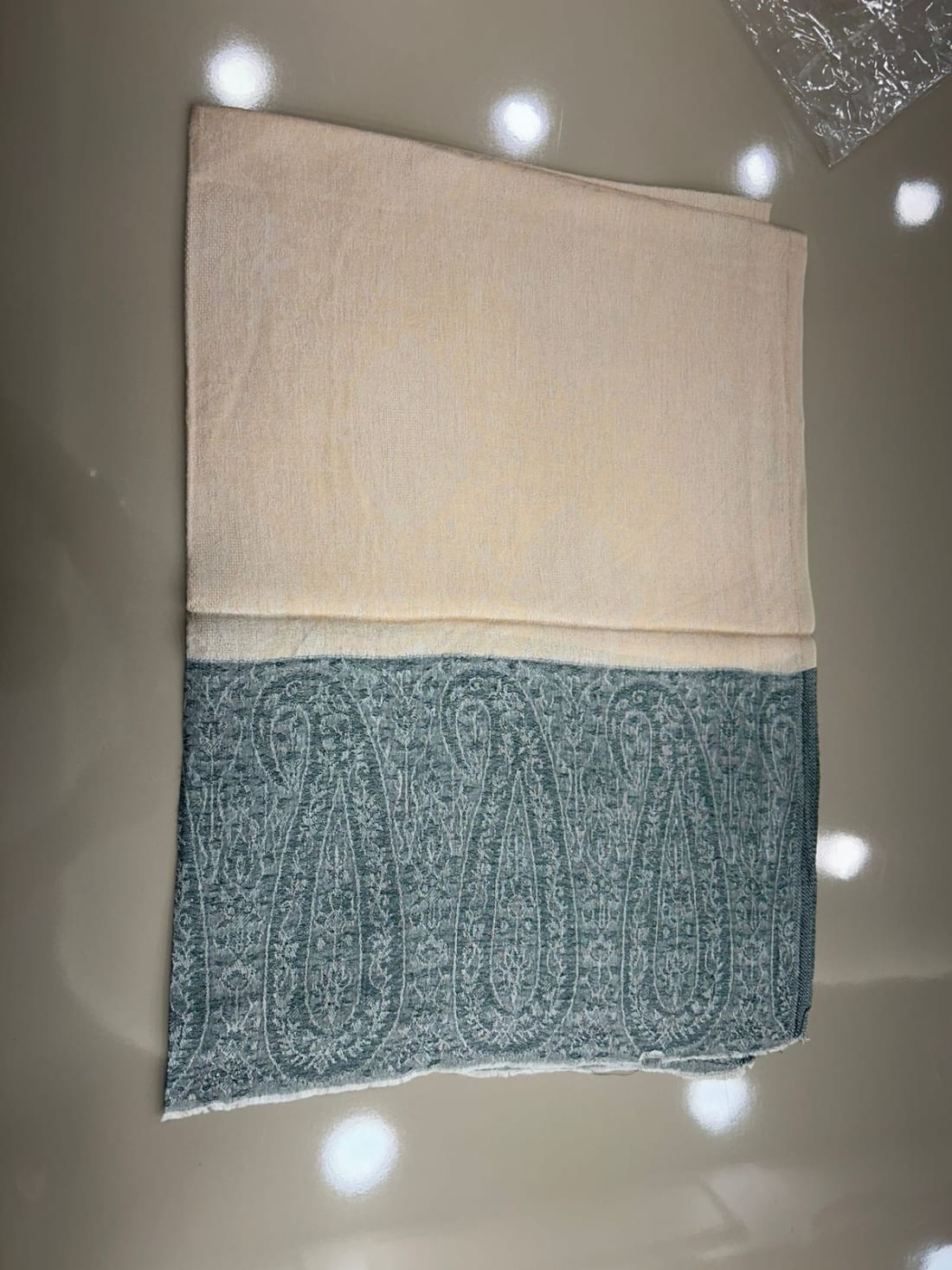
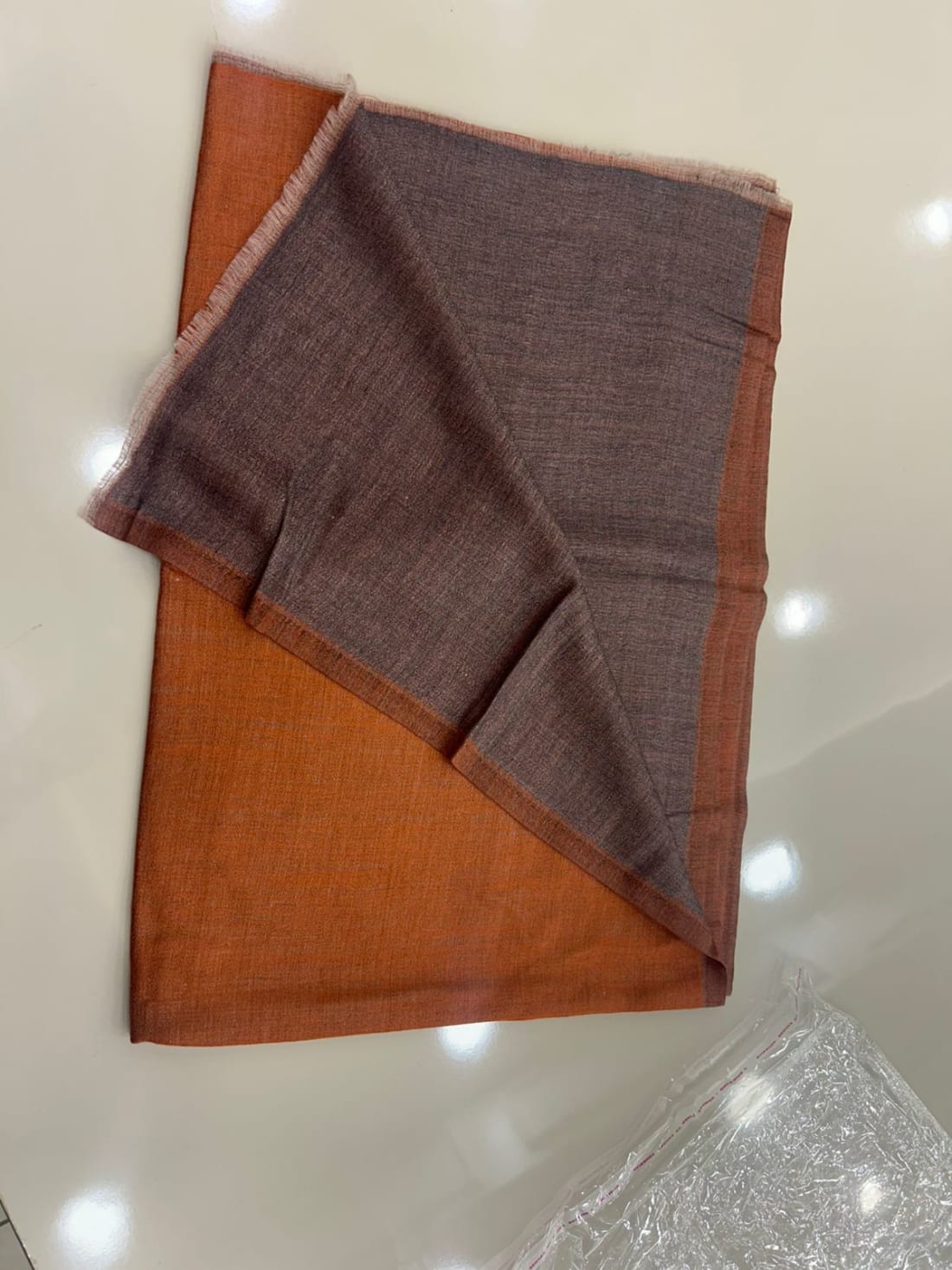
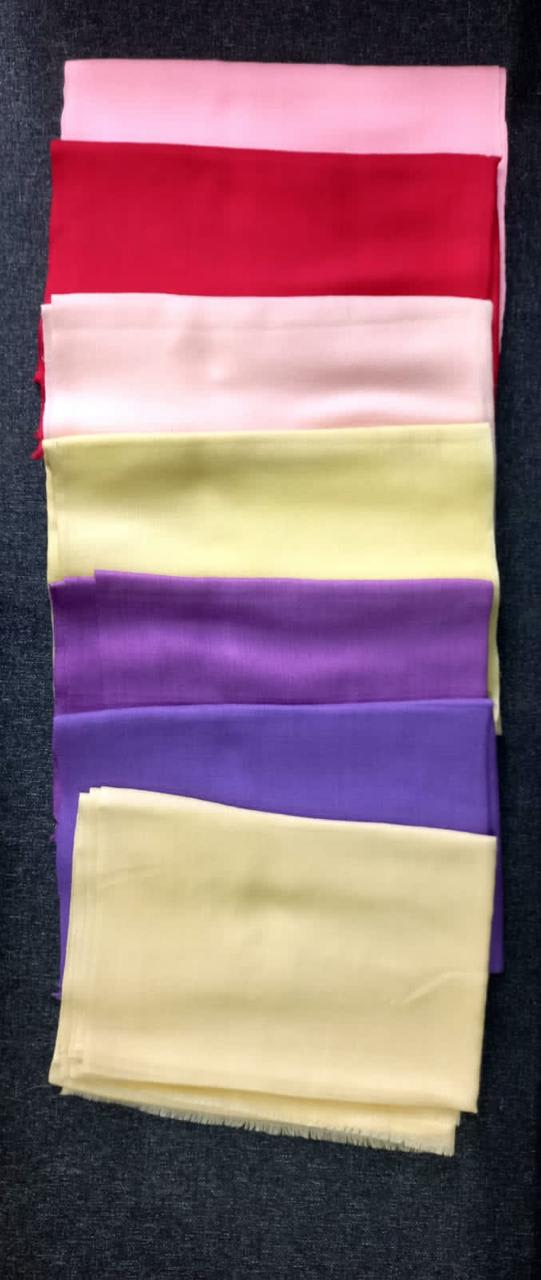
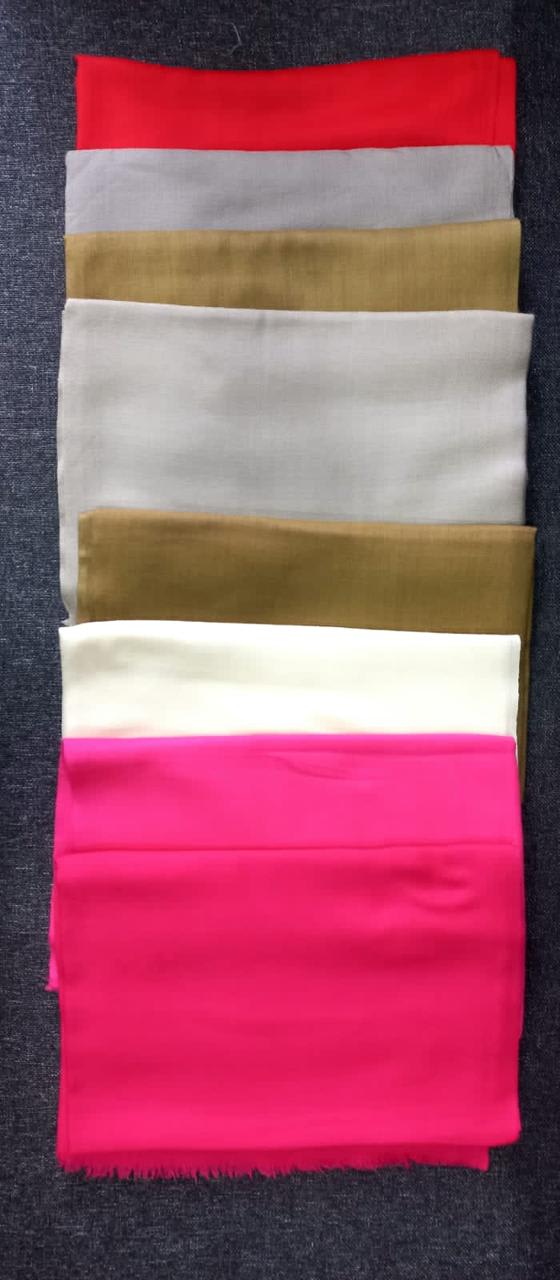
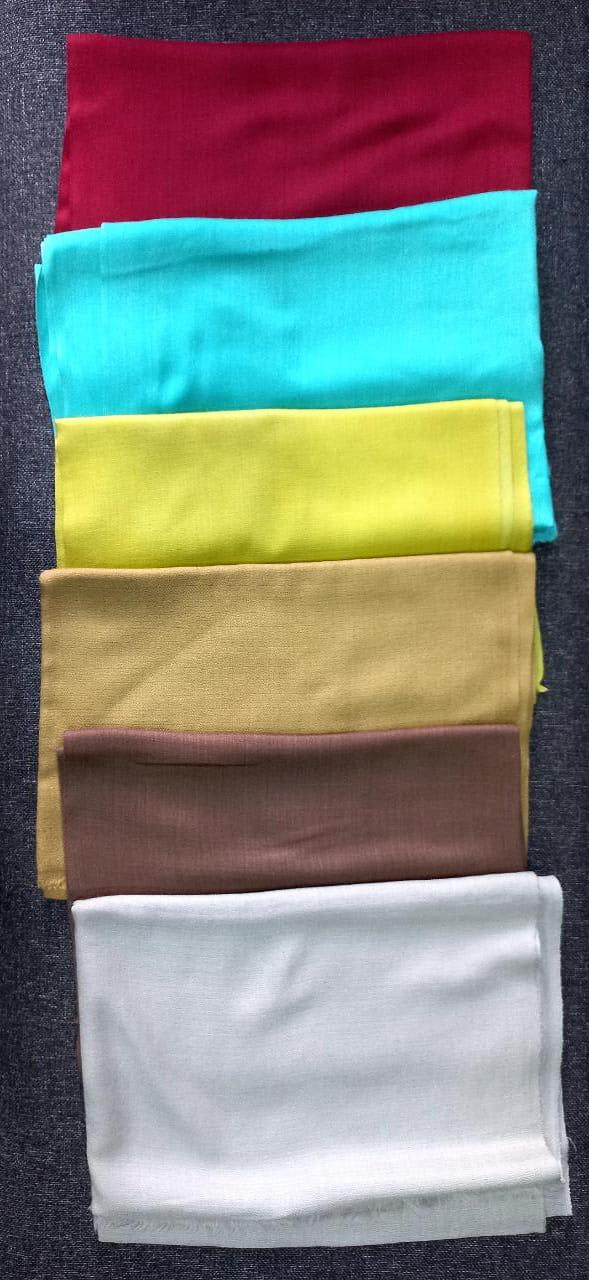
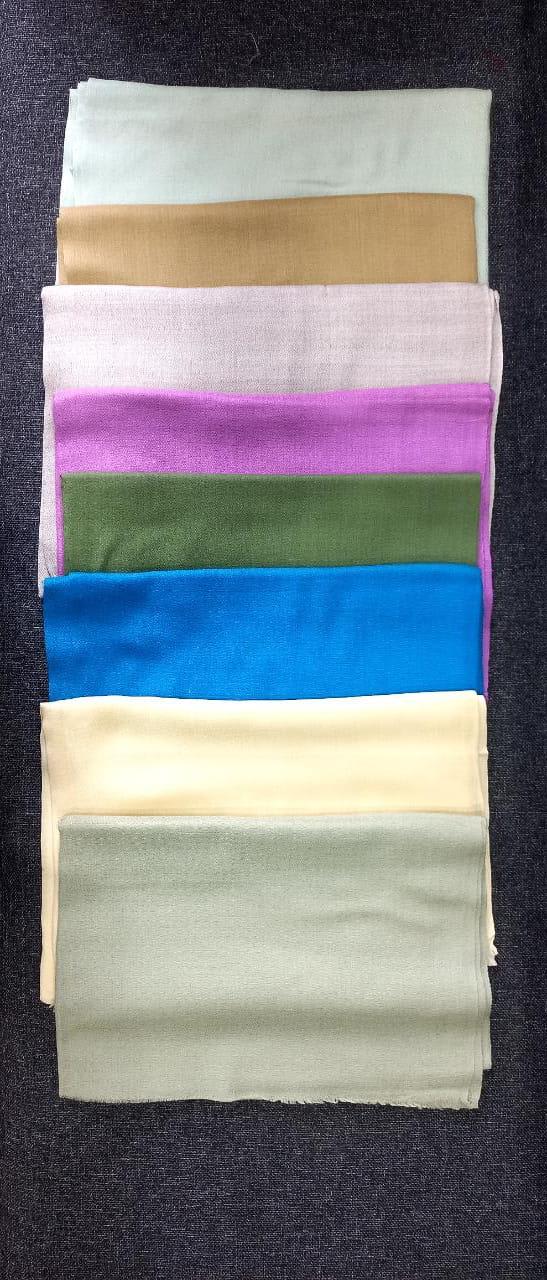
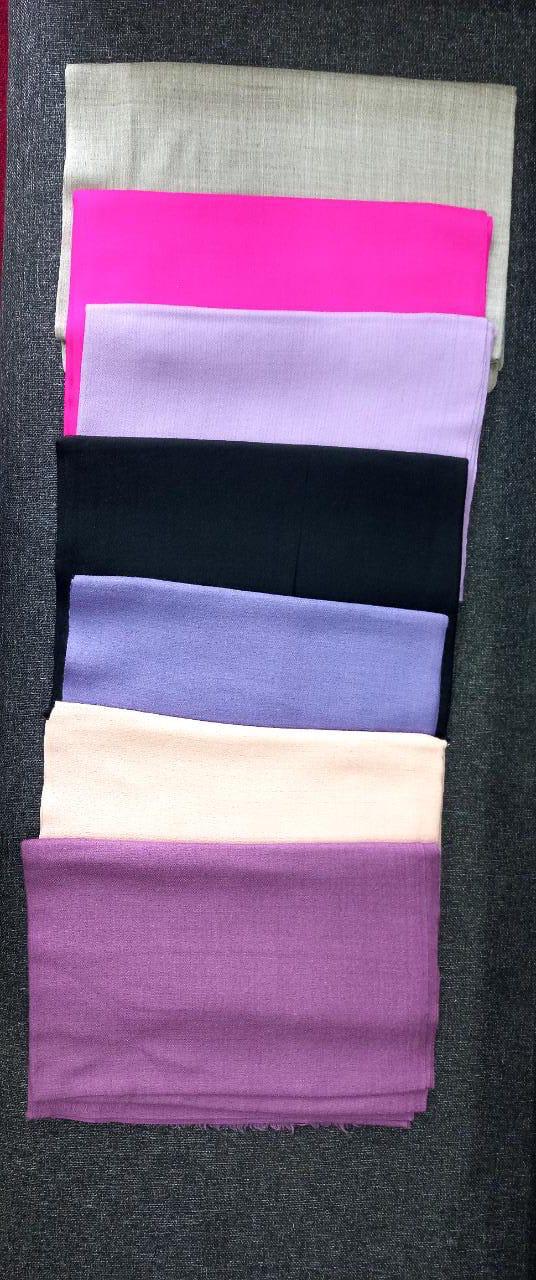
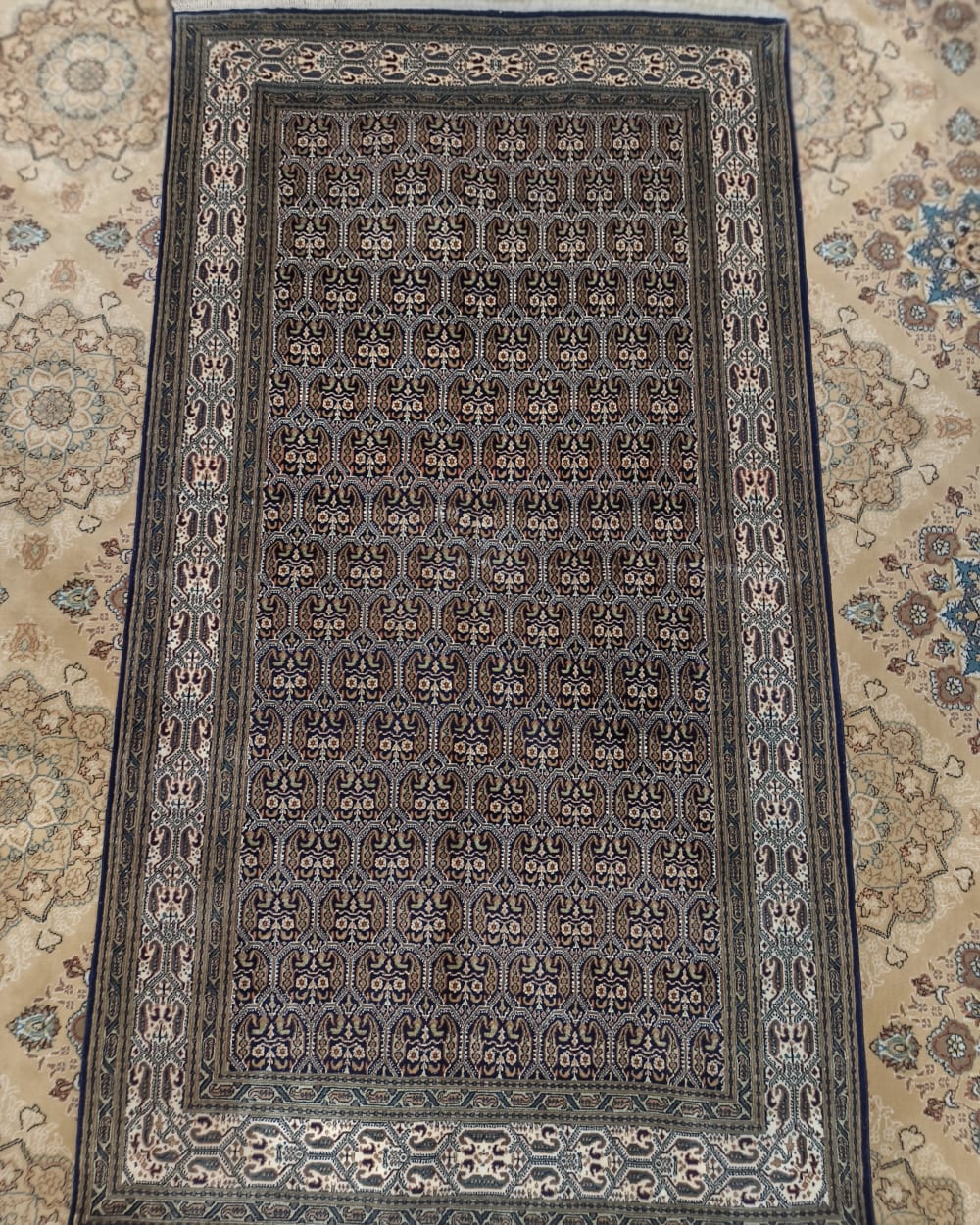
The simplest-looking plain Pashmina can be among the clearest demonstrations of weaving quality because there is nowhere for inconsistency to hide. Without embroidery or a busy pattern, the eye reads the surface, edges, fall, and colour directly. A plain shawl may therefore be an excellent first purchase. It can enter everyday life more easily, travel well, and reveal the particular comfort of fine fibre without asking the wearer to reserve it for ceremonial moments. Simplicity should not be confused with inferiority. It often expresses restraint.
When the surface becomes a garden
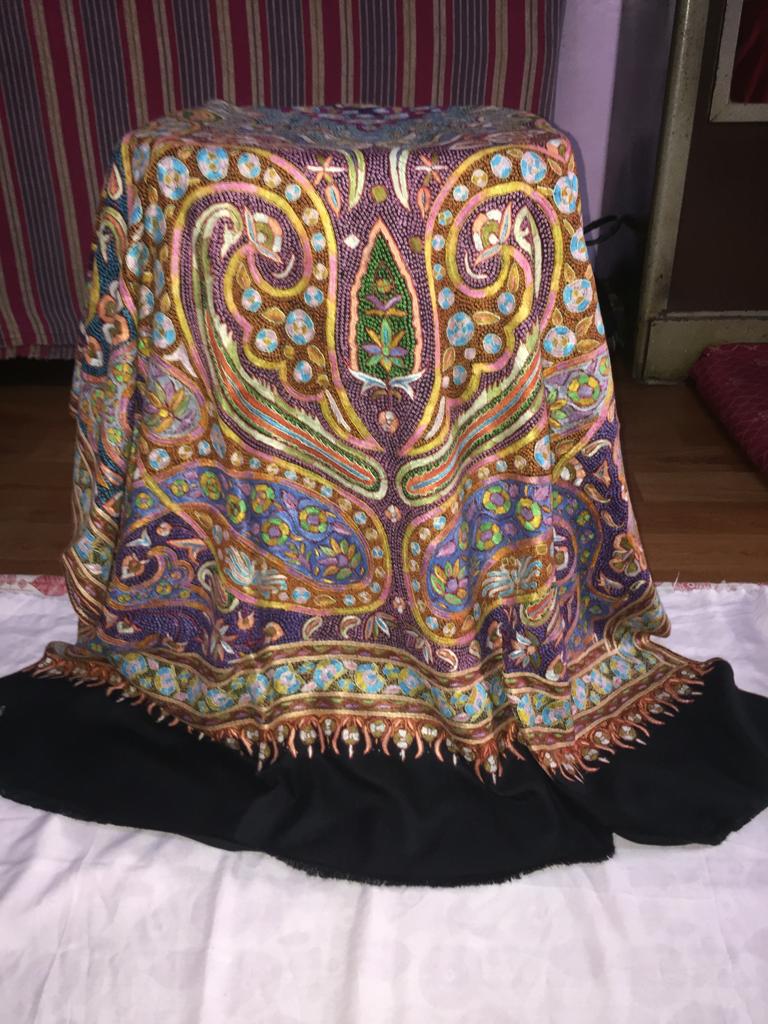
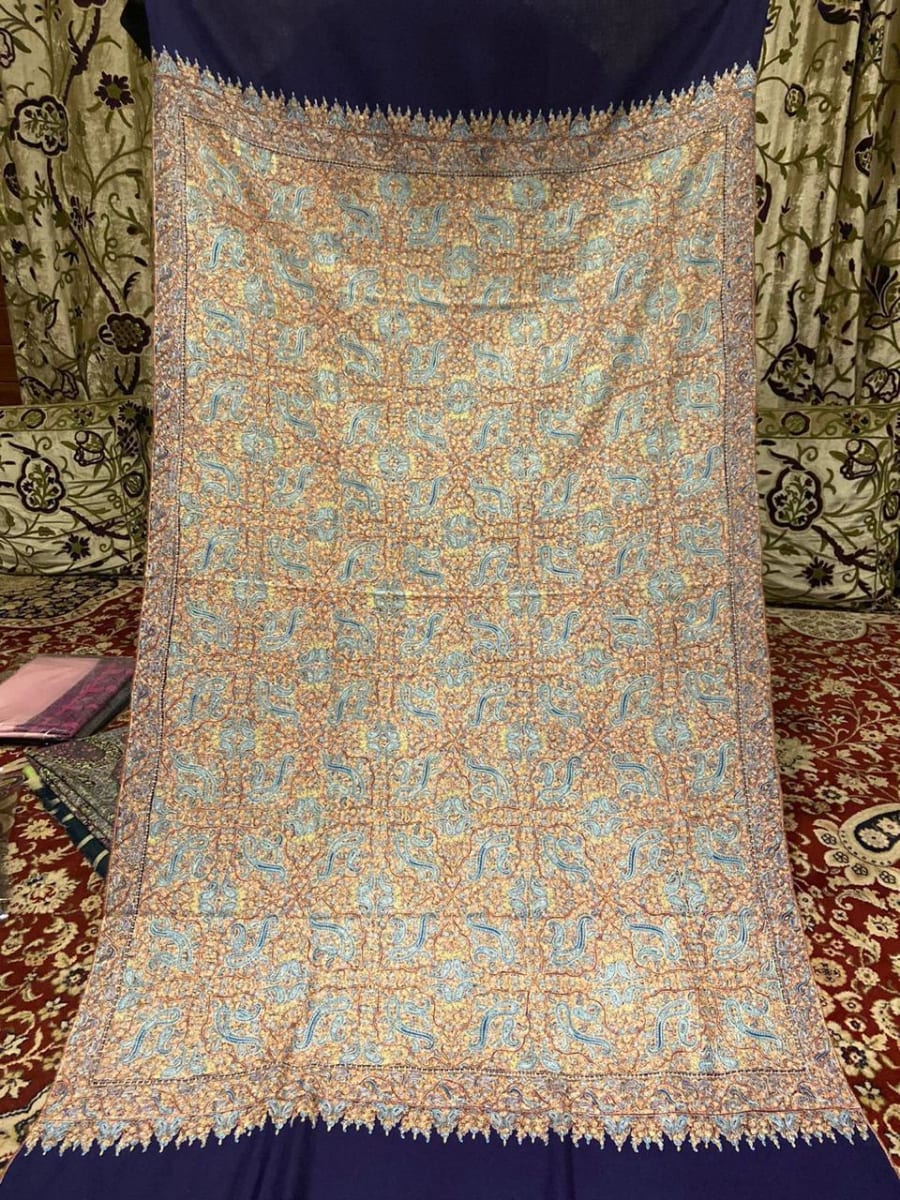
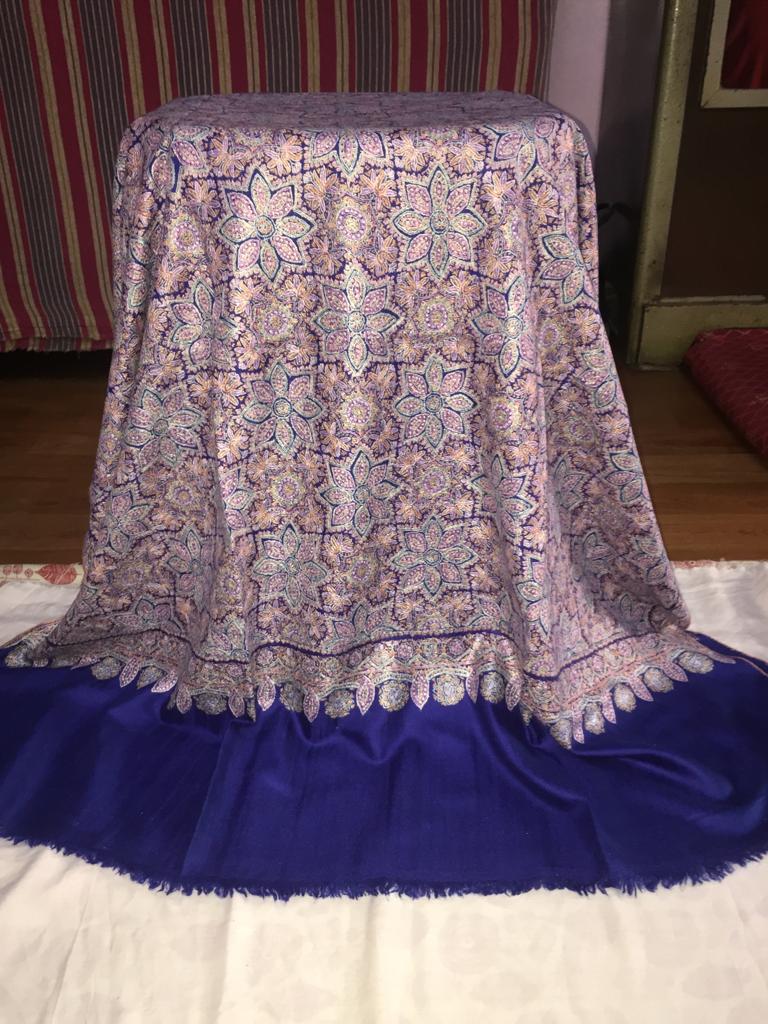
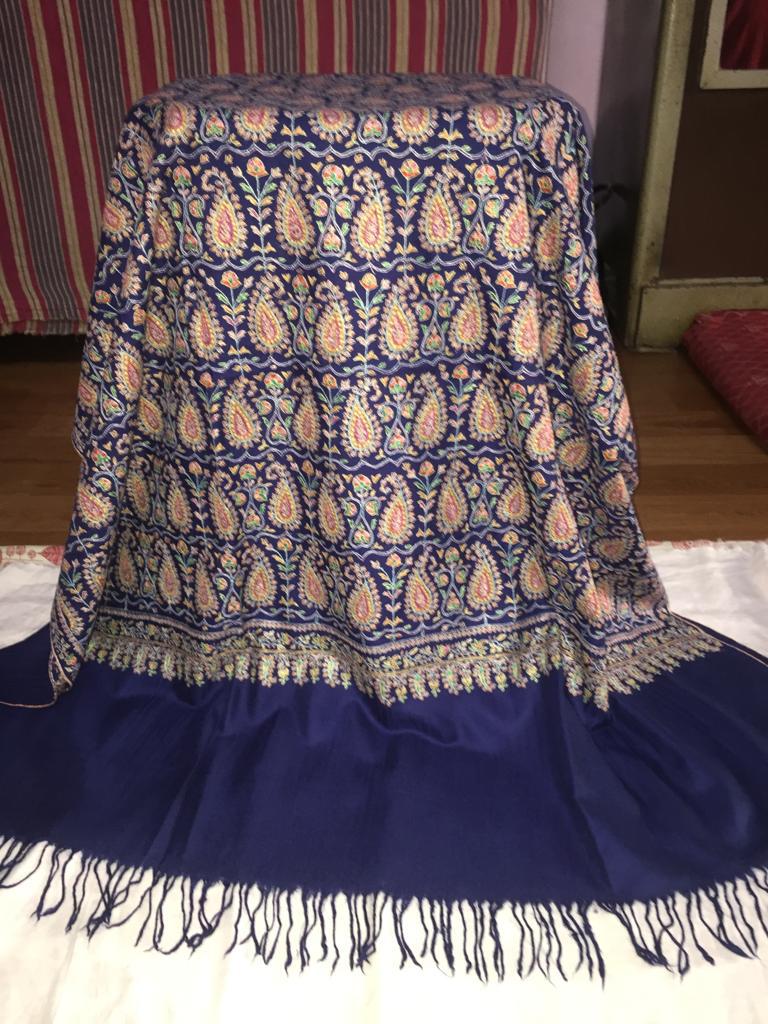
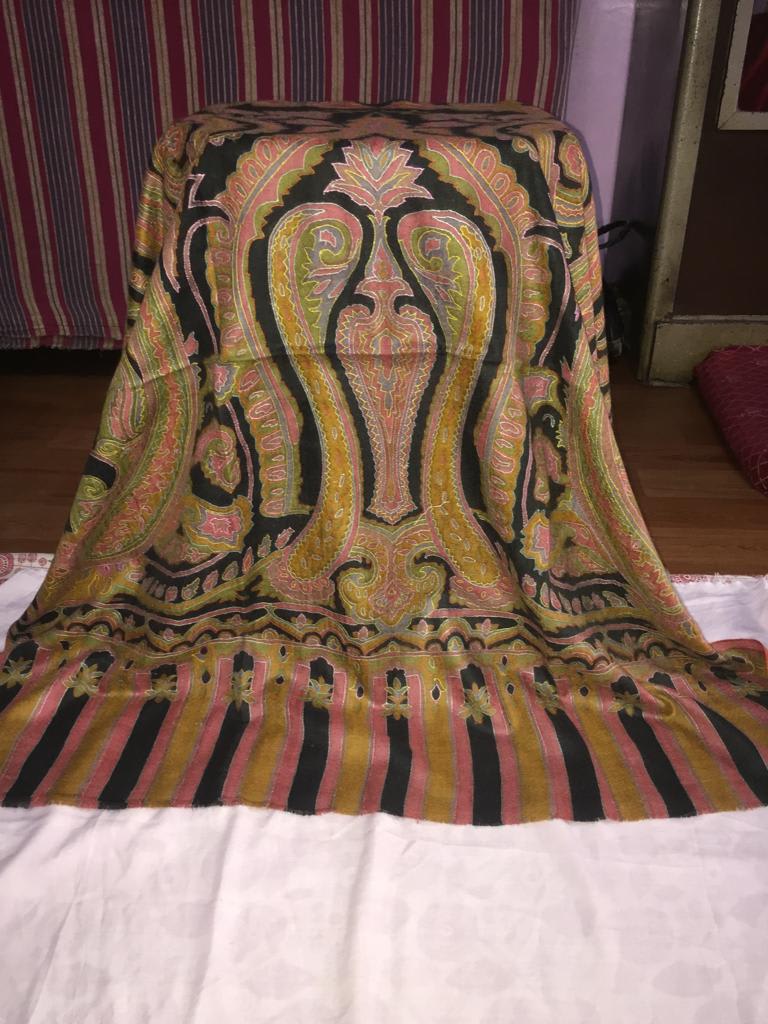
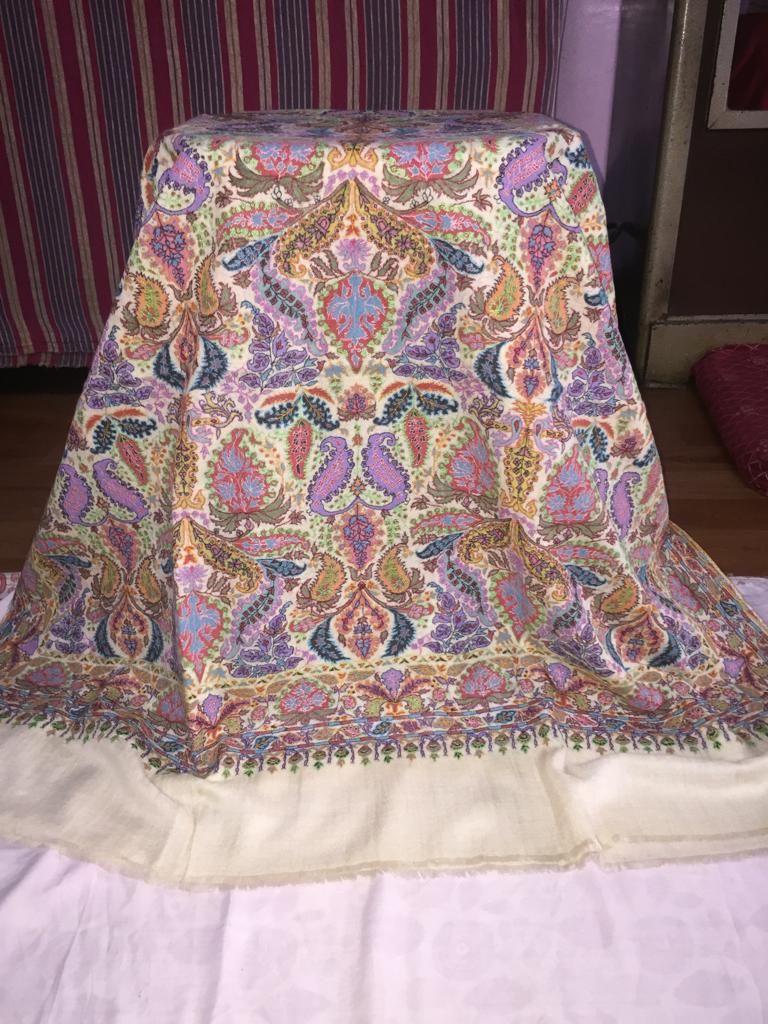
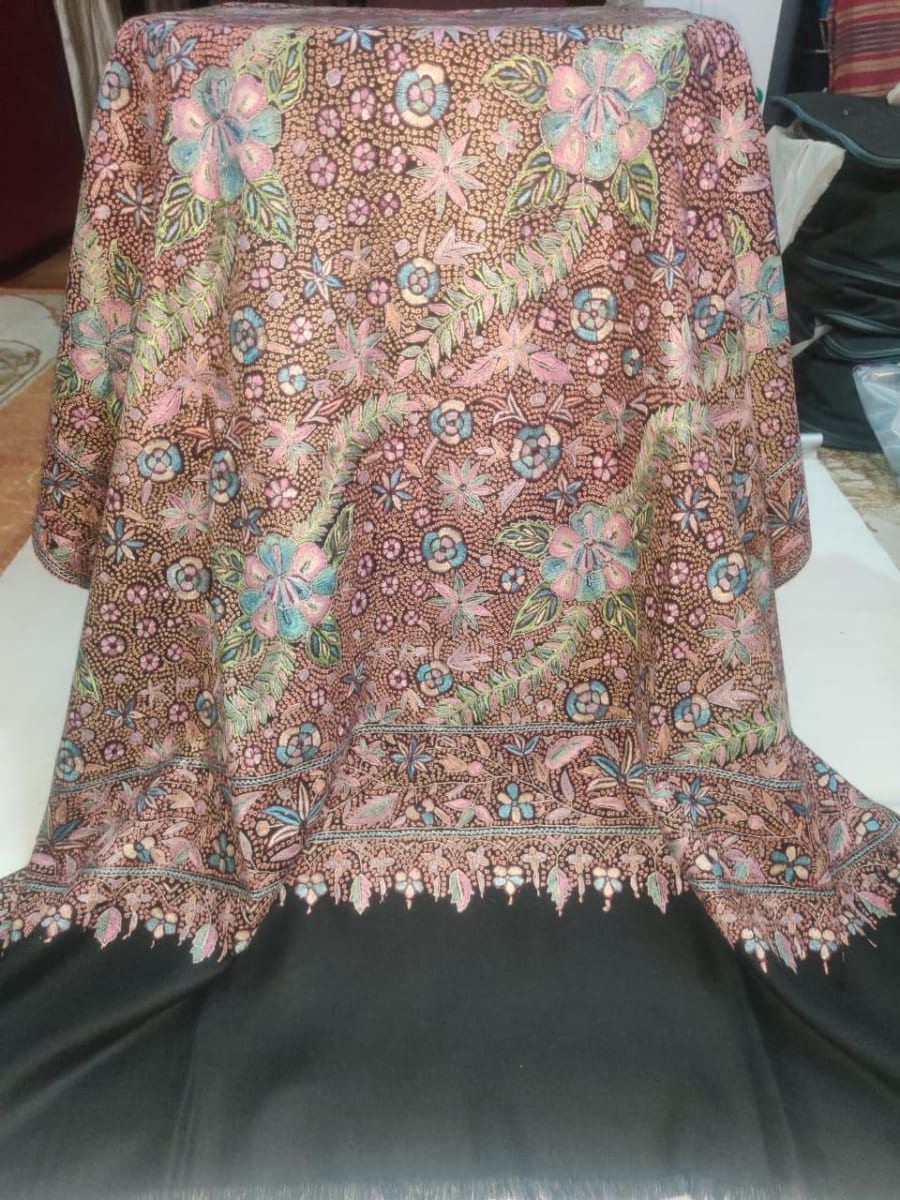
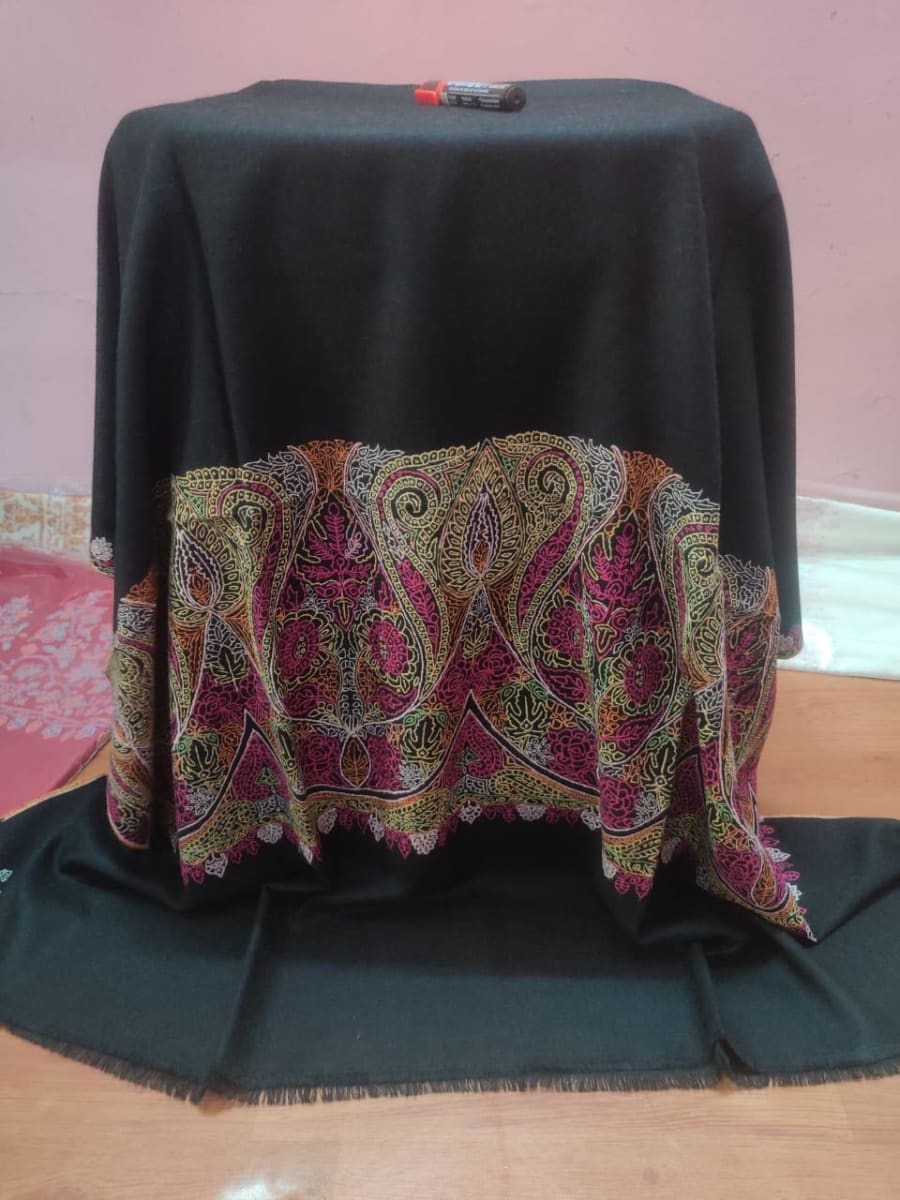
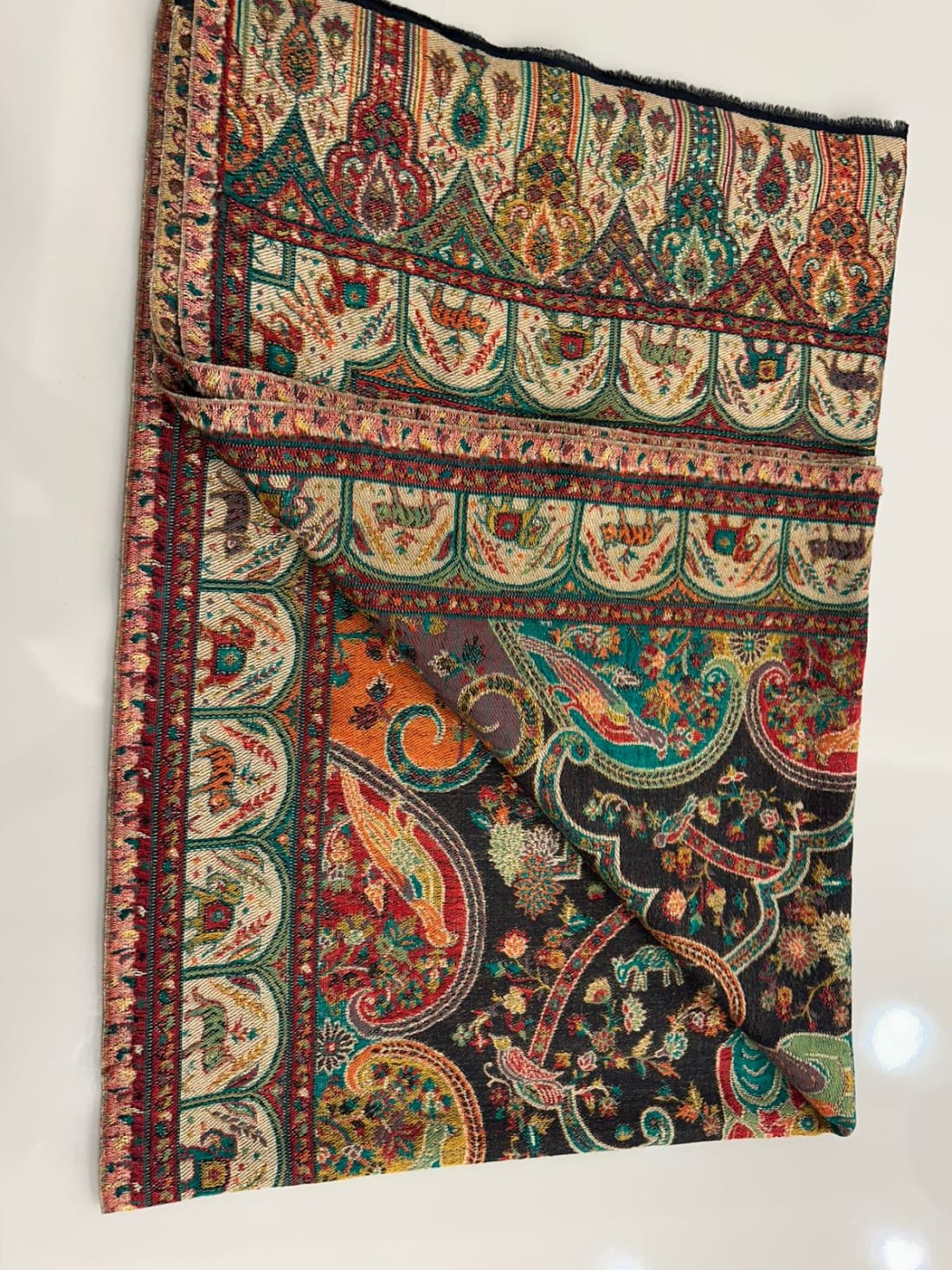
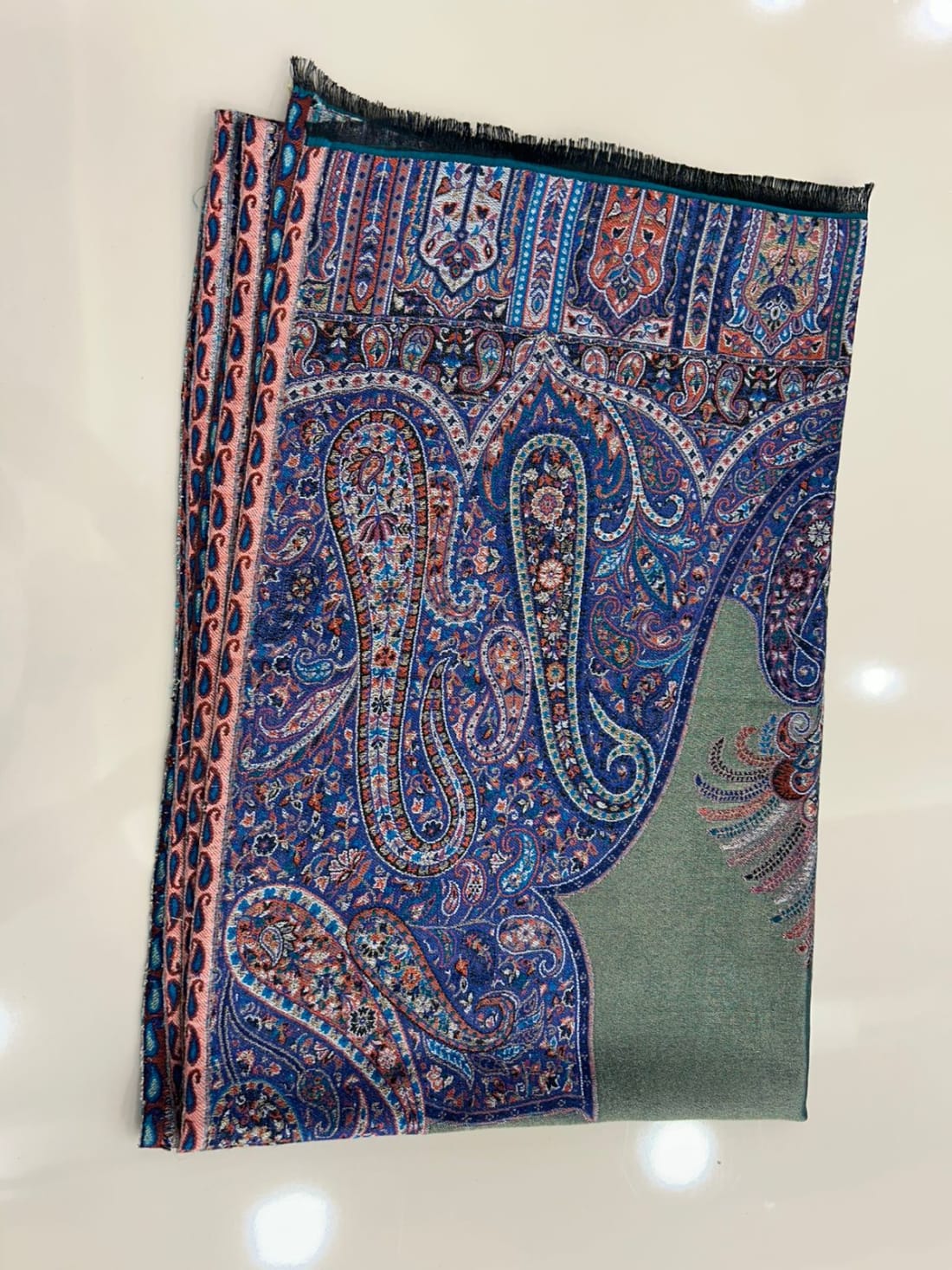
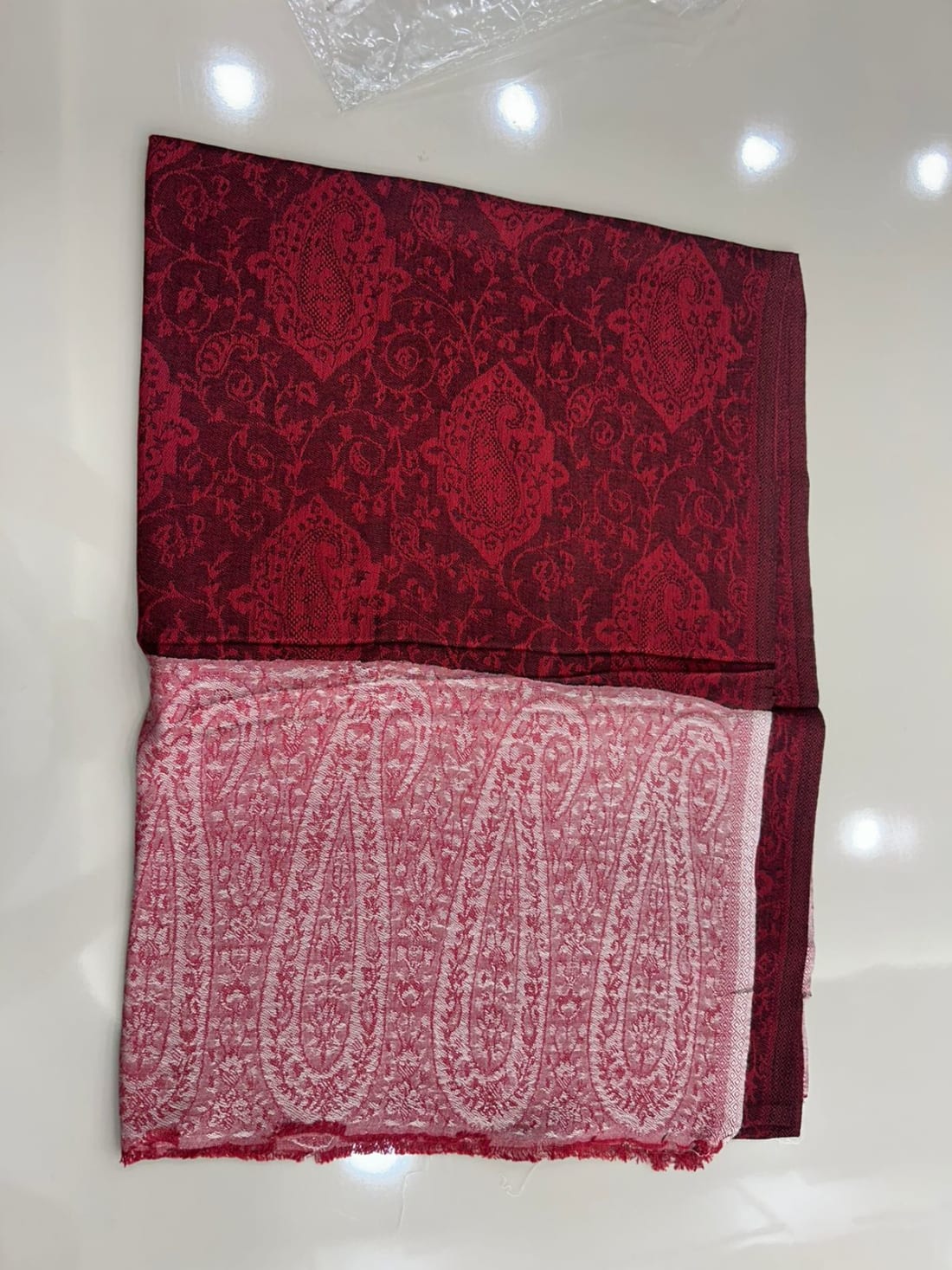
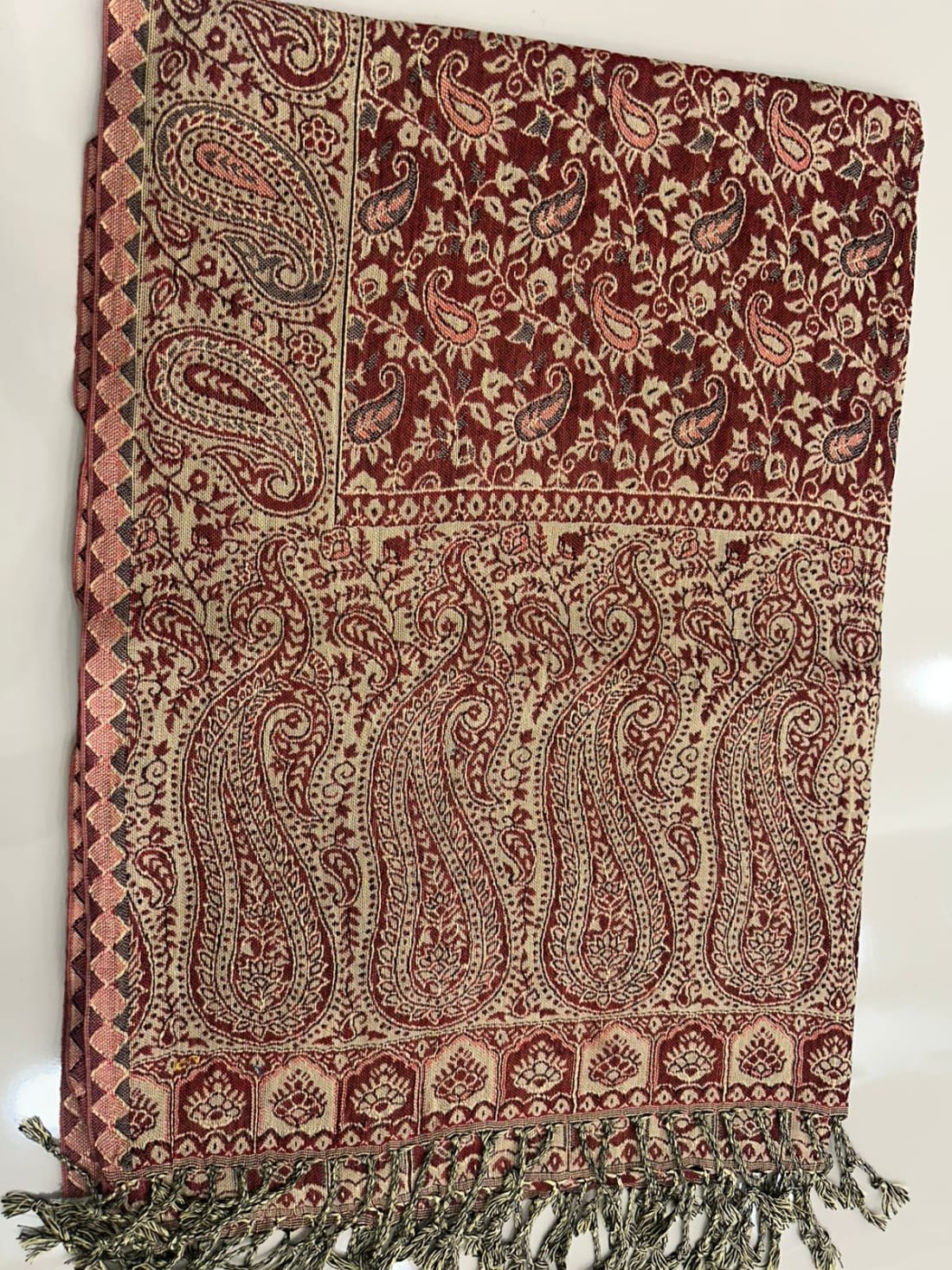
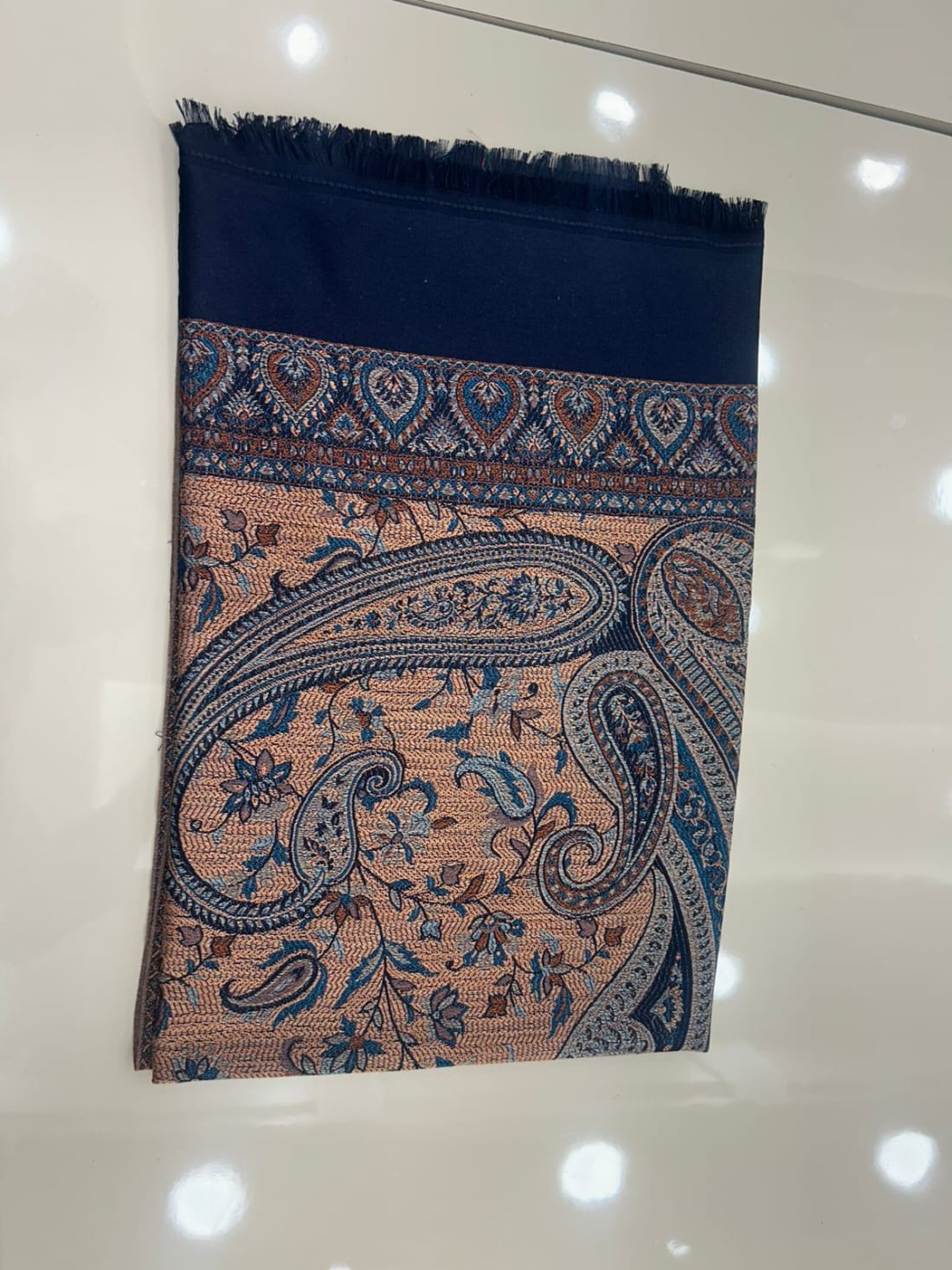
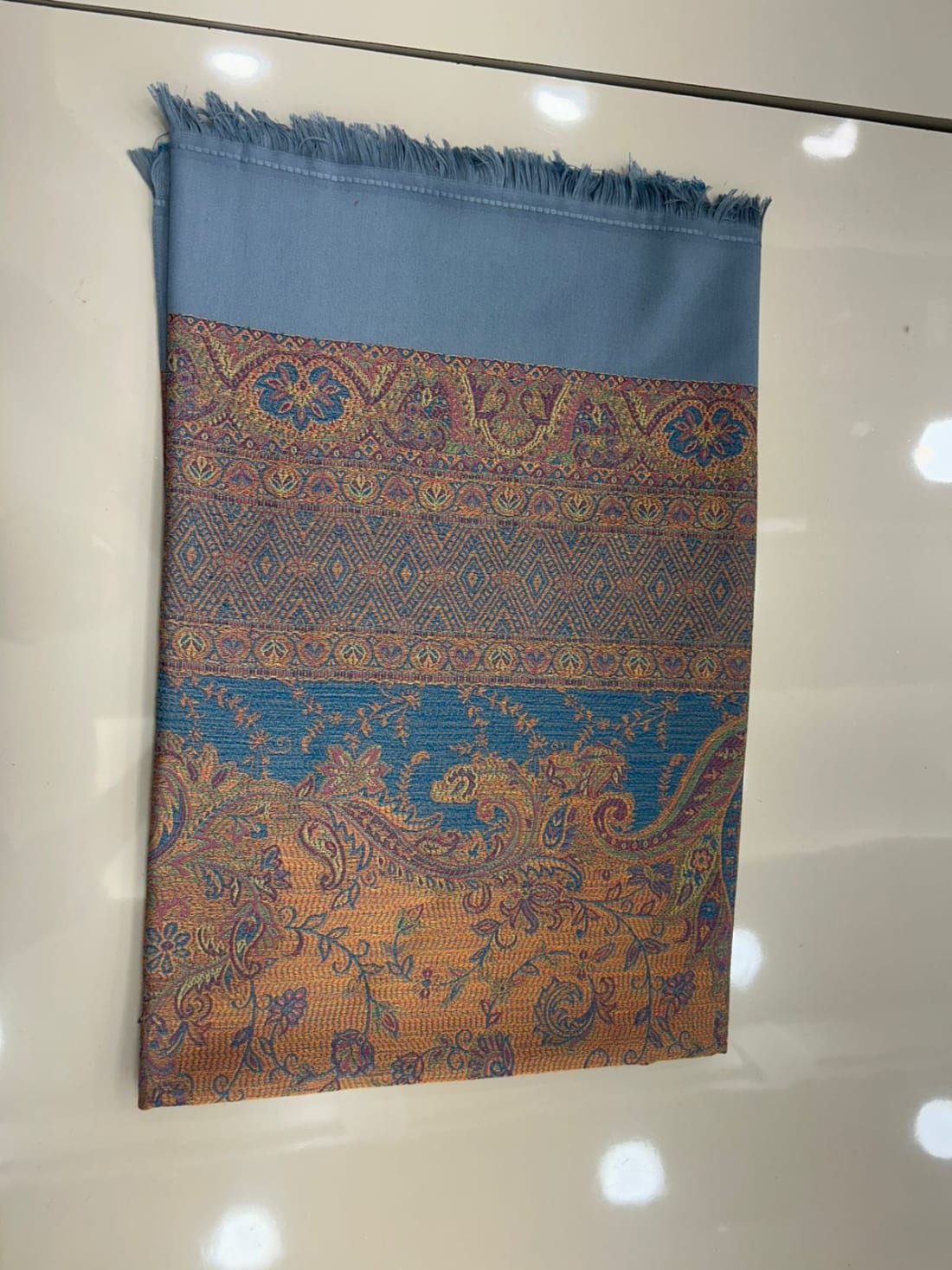
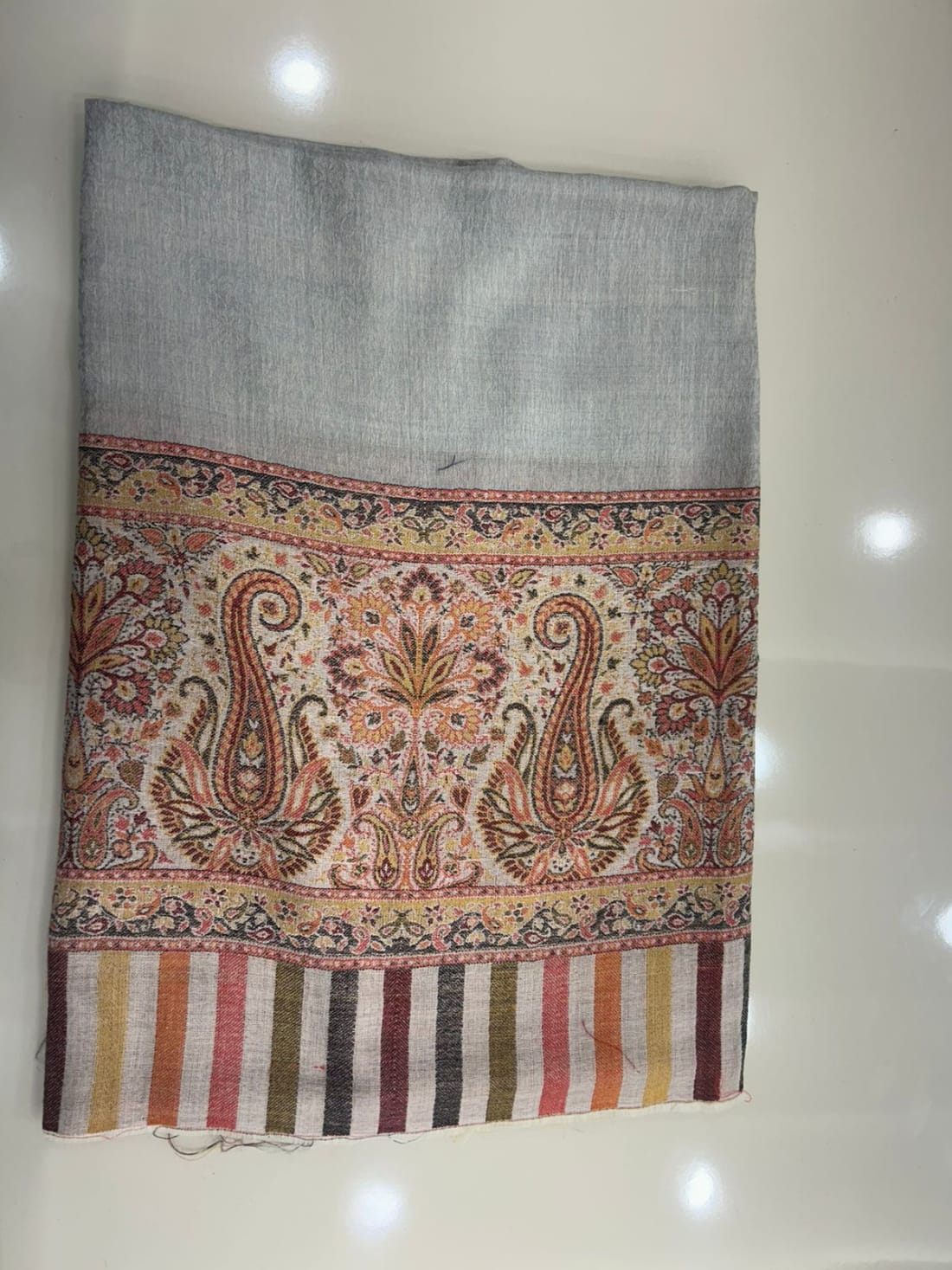
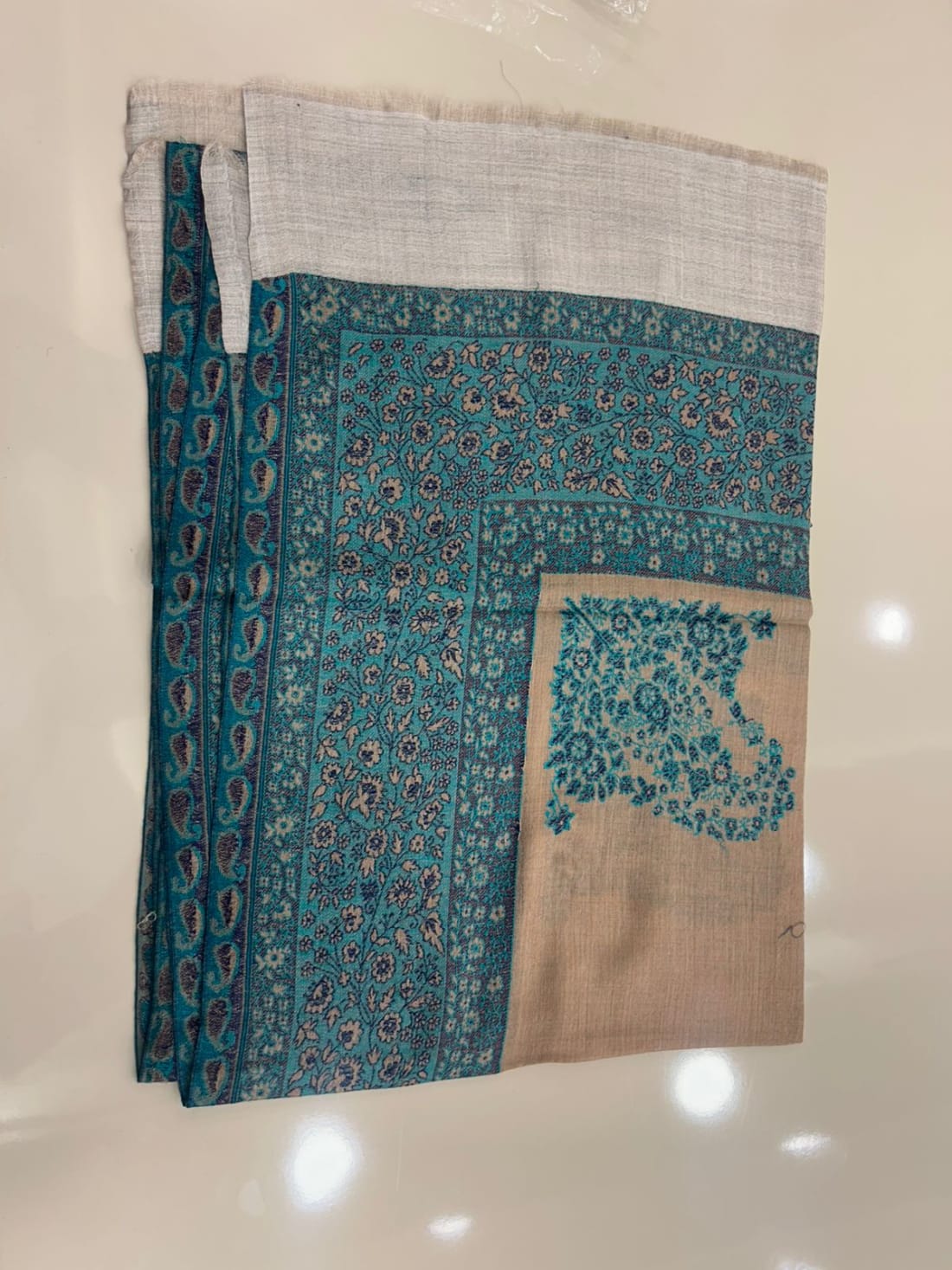
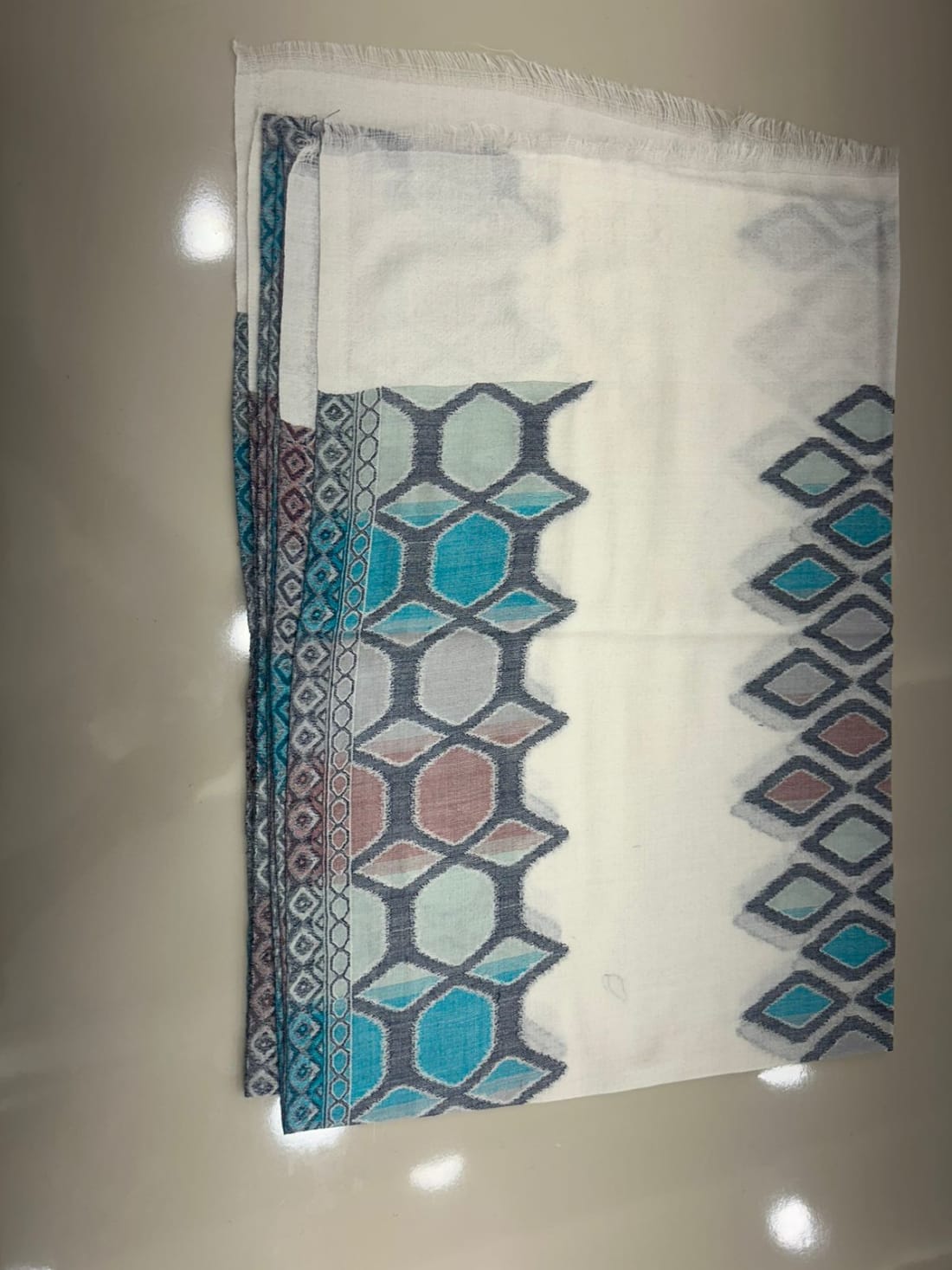
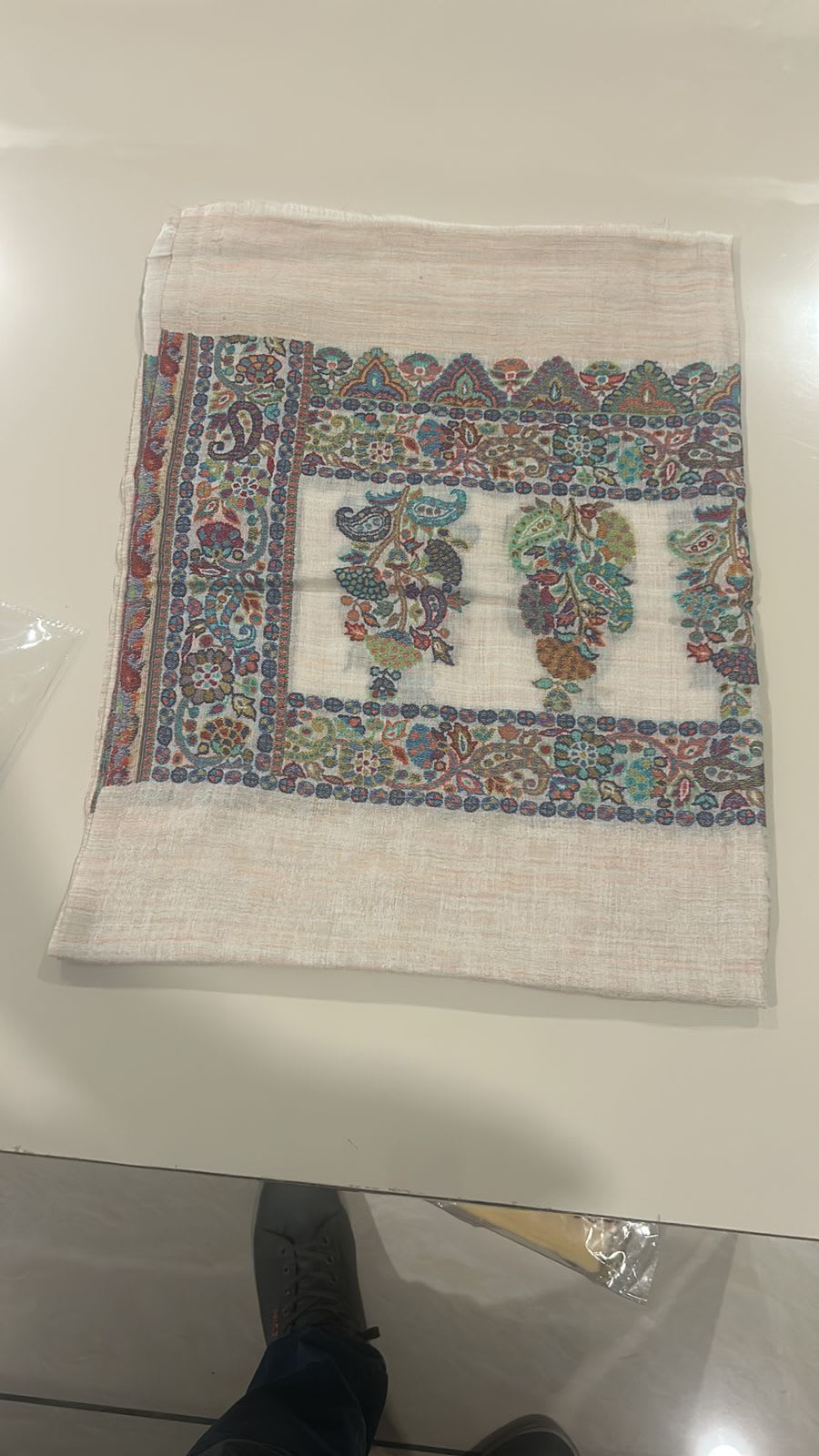
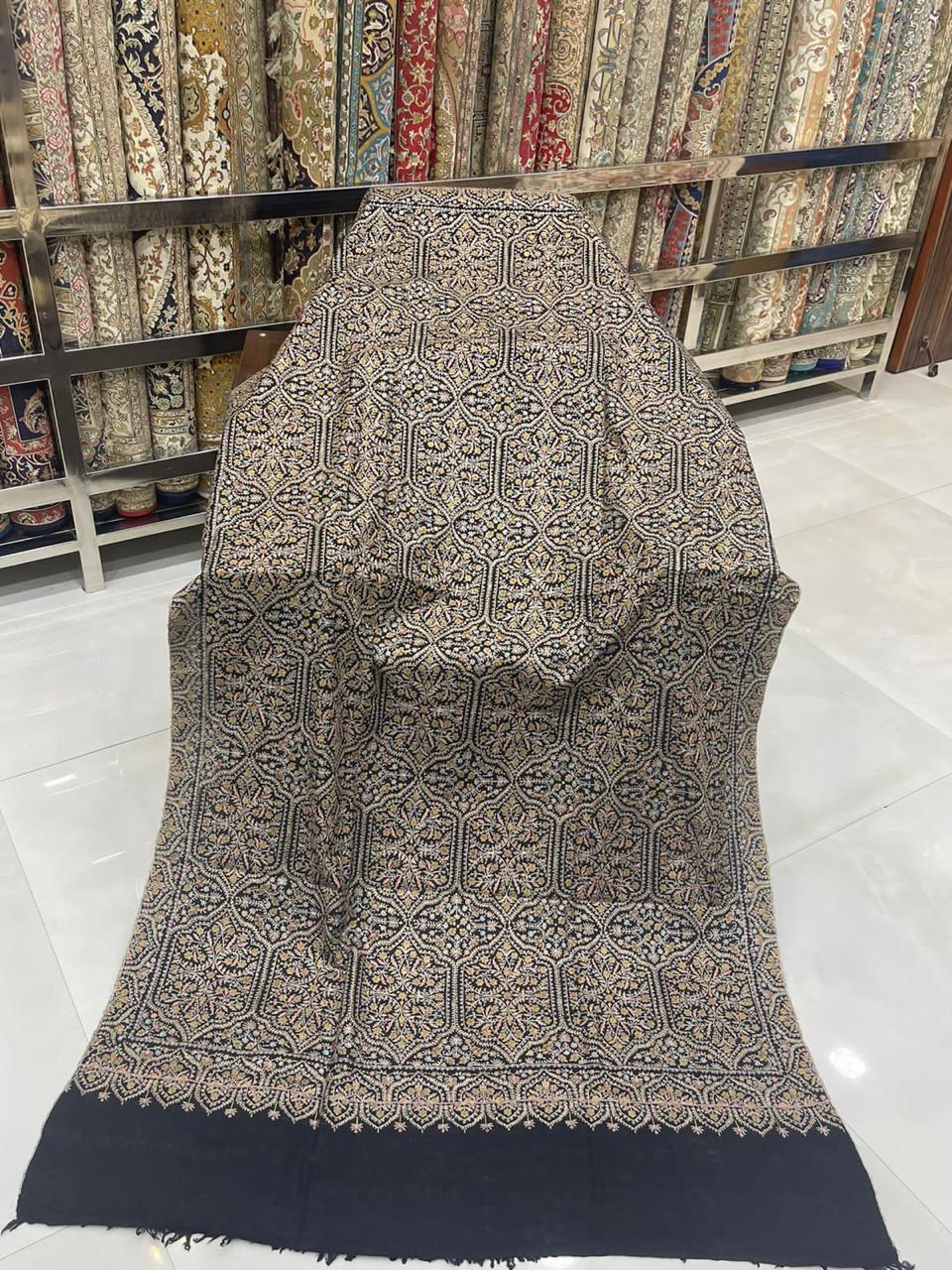
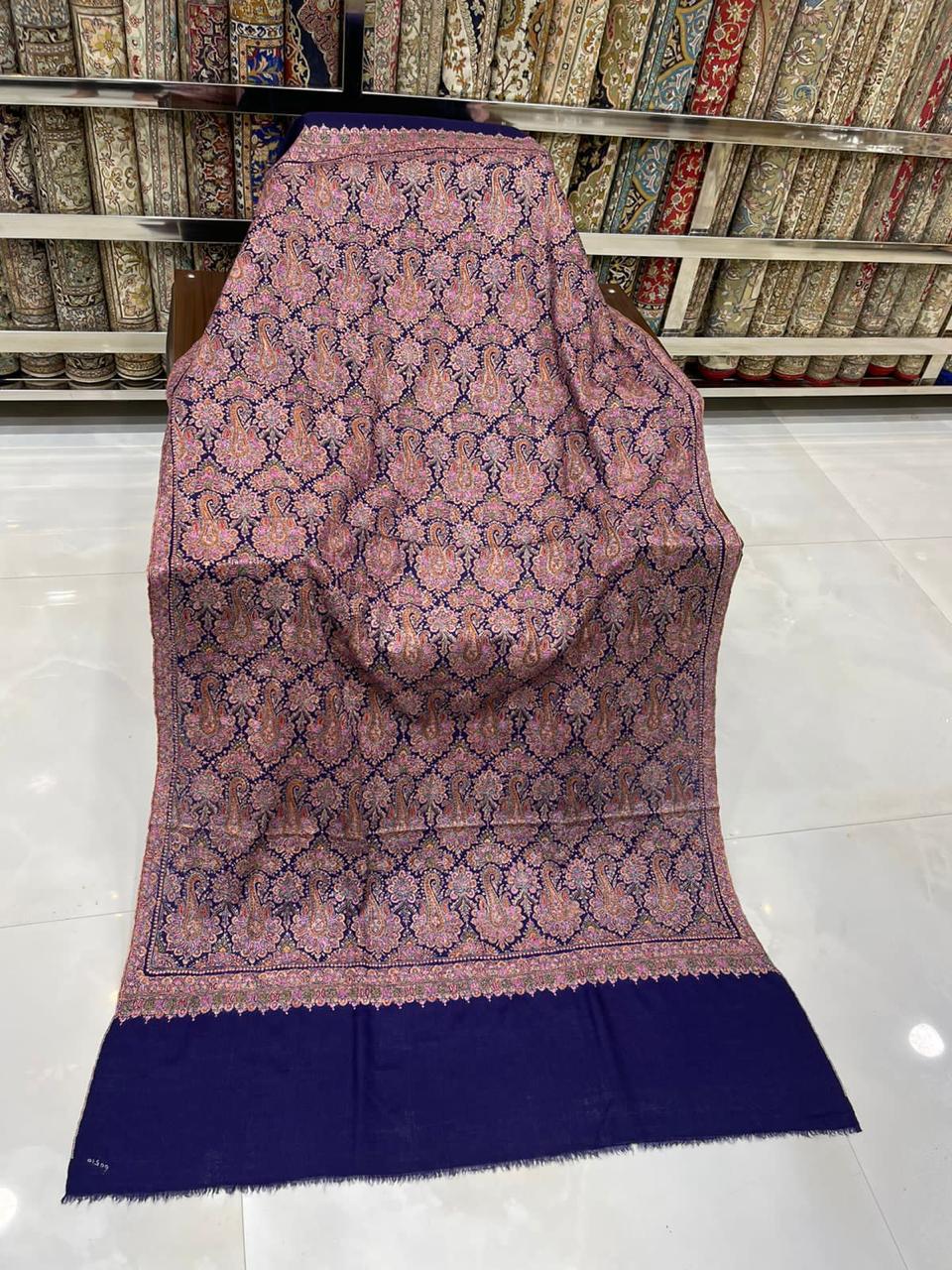
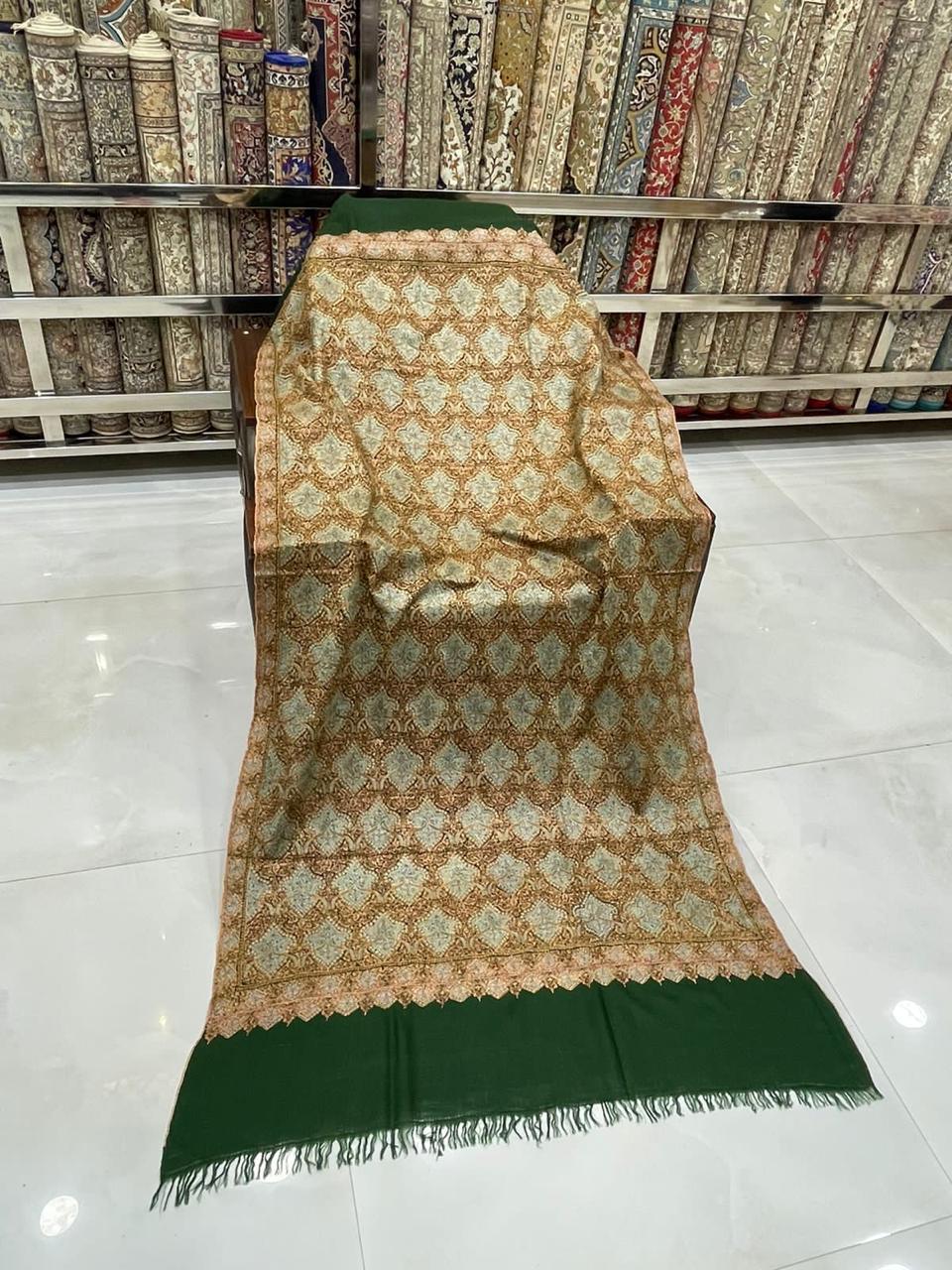
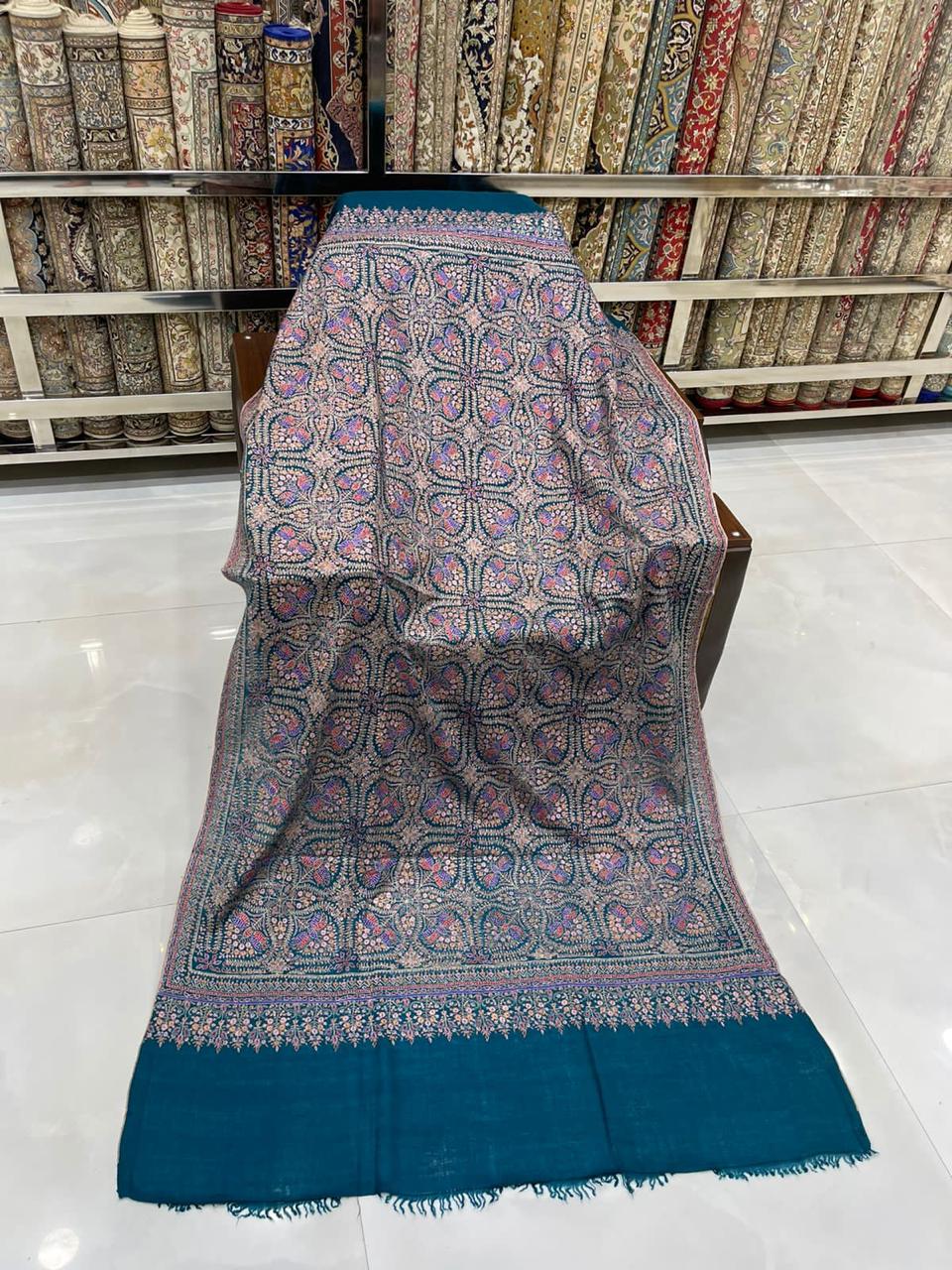
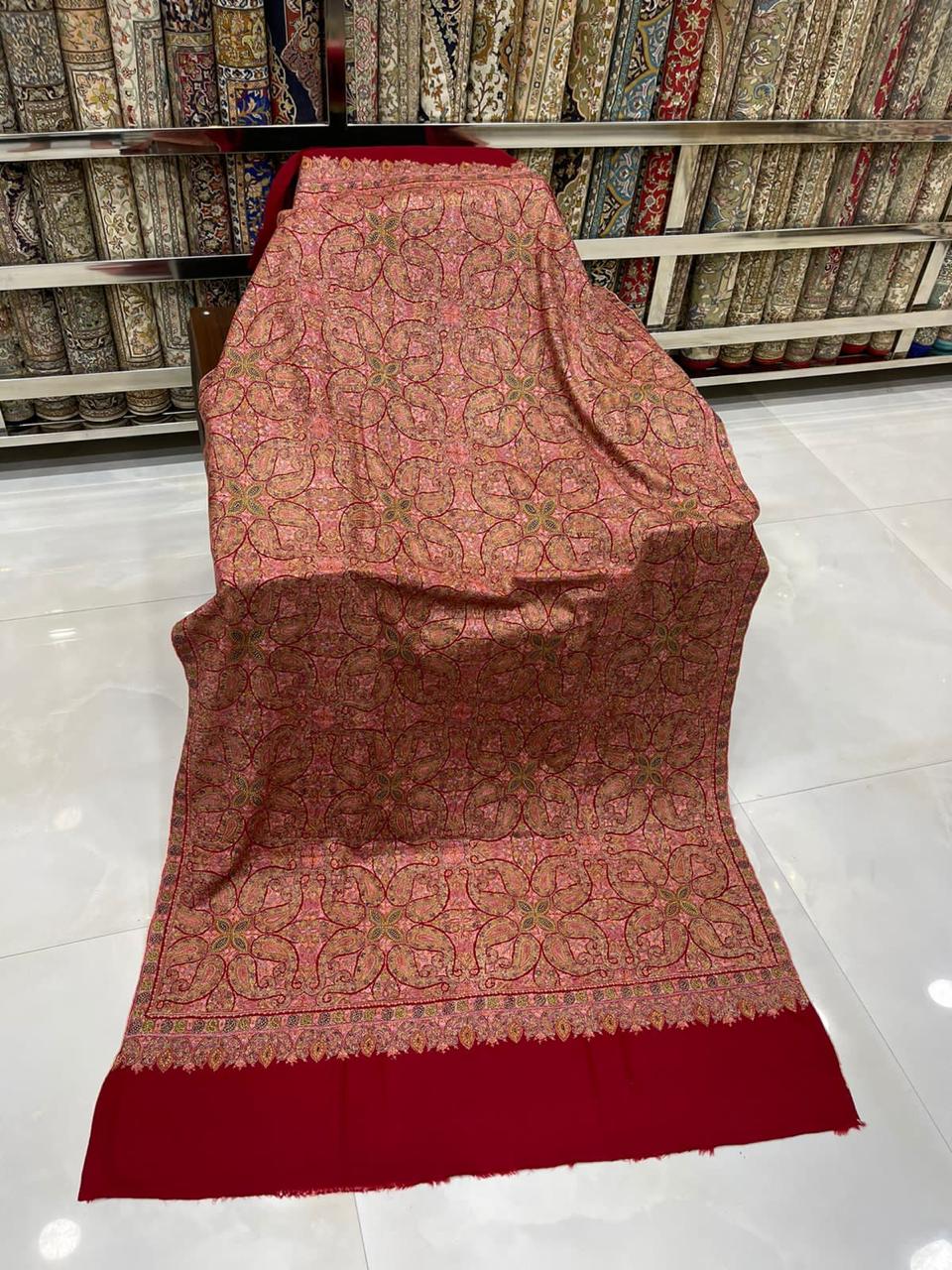
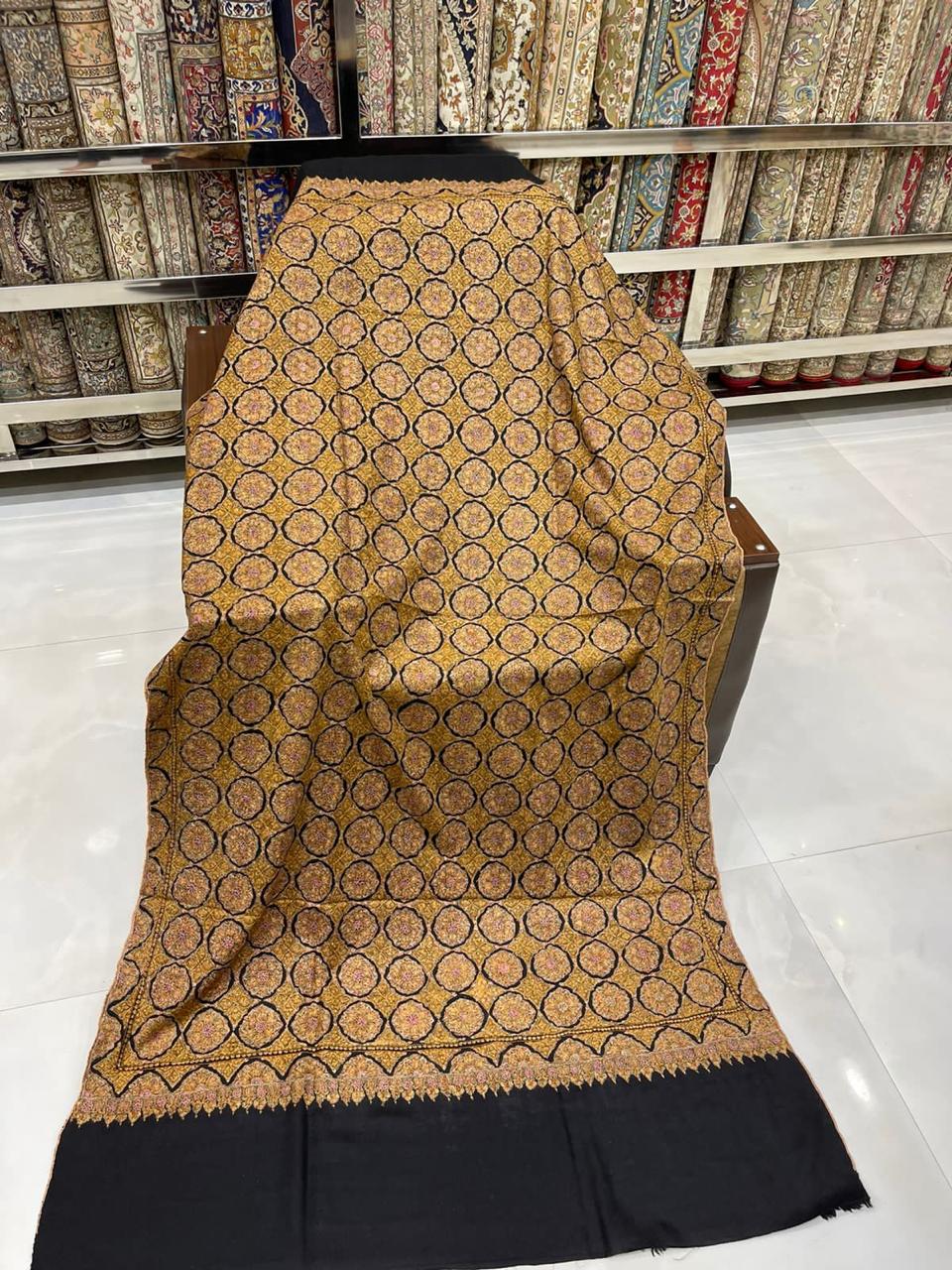
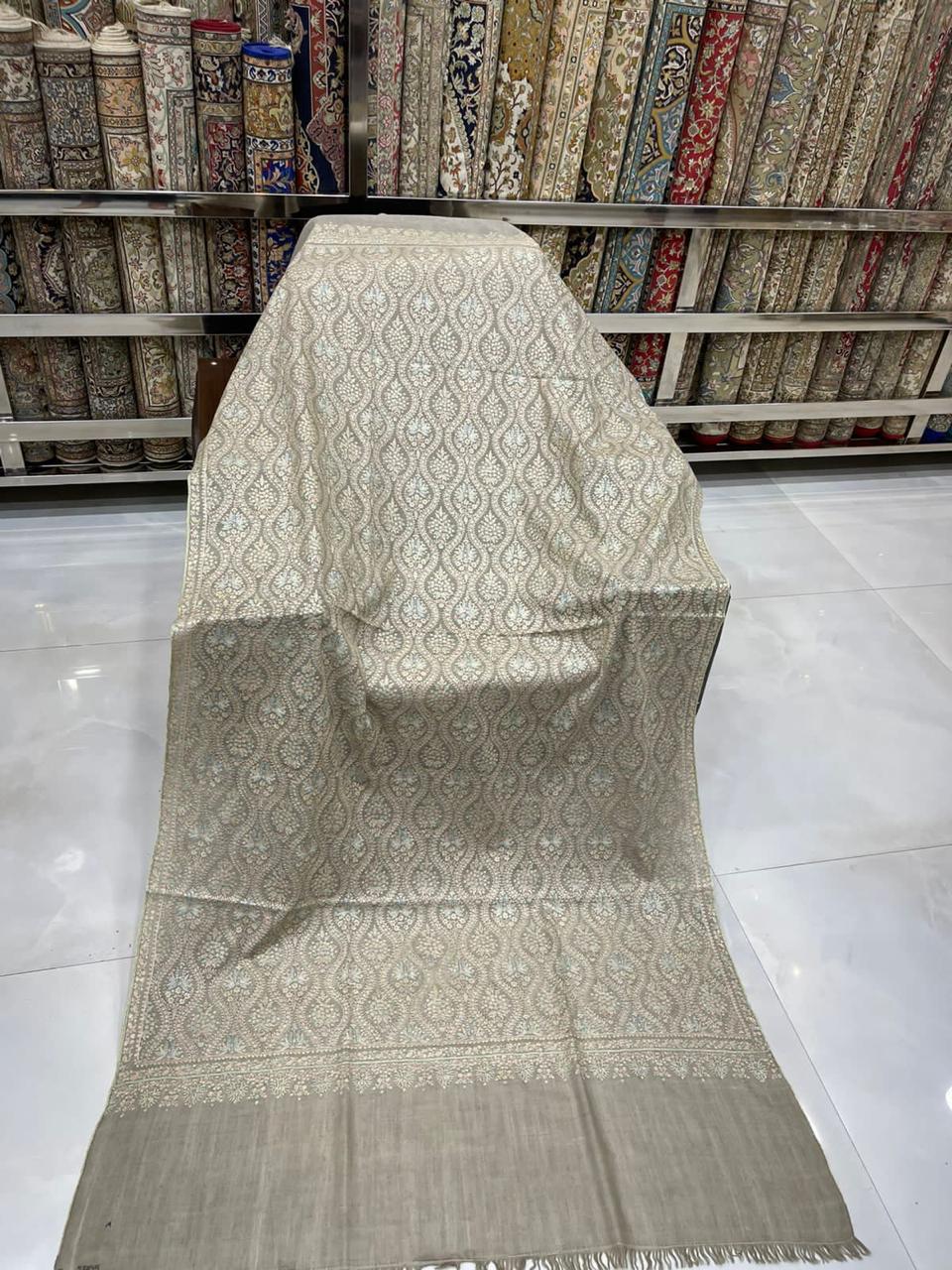
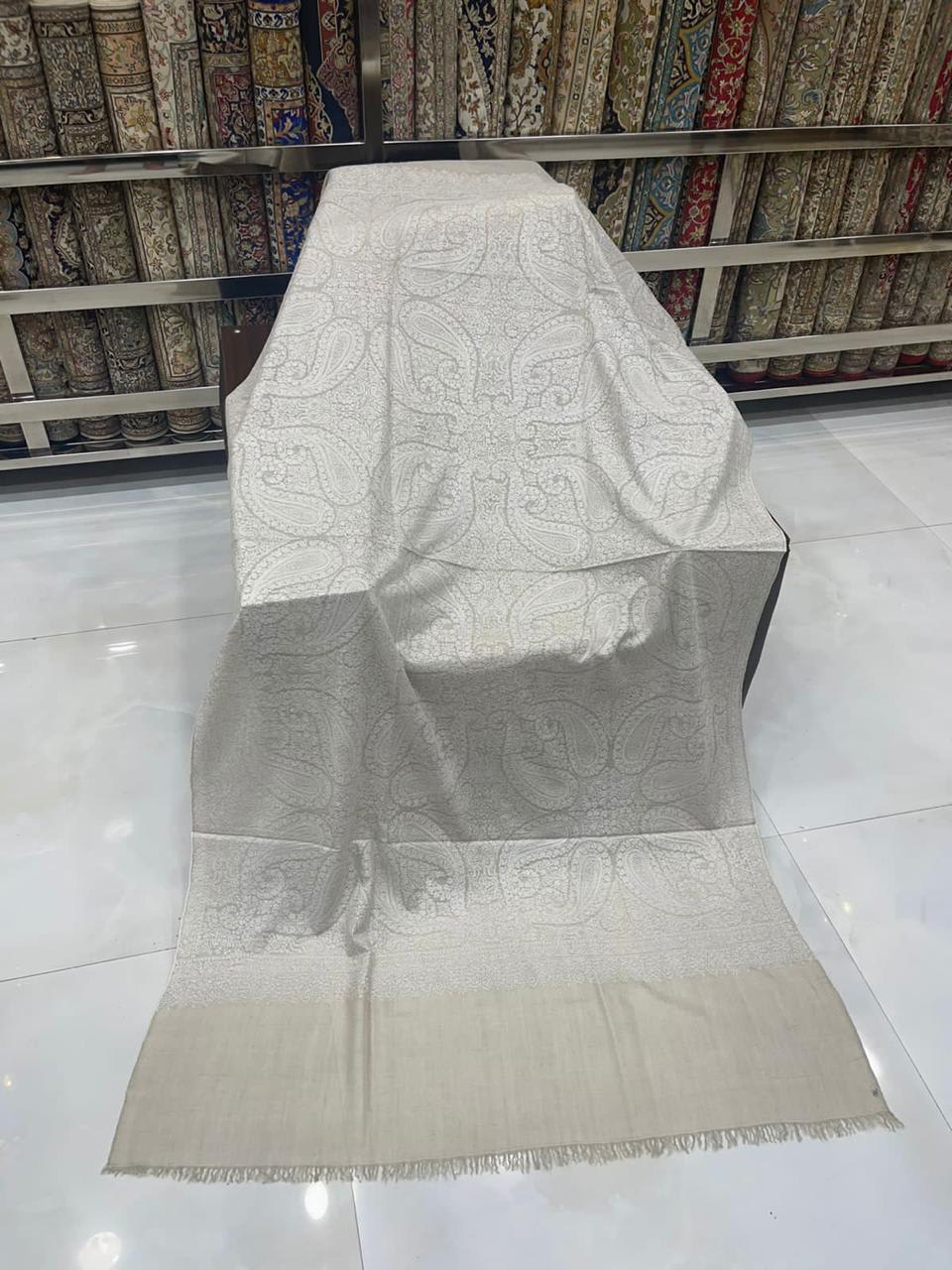
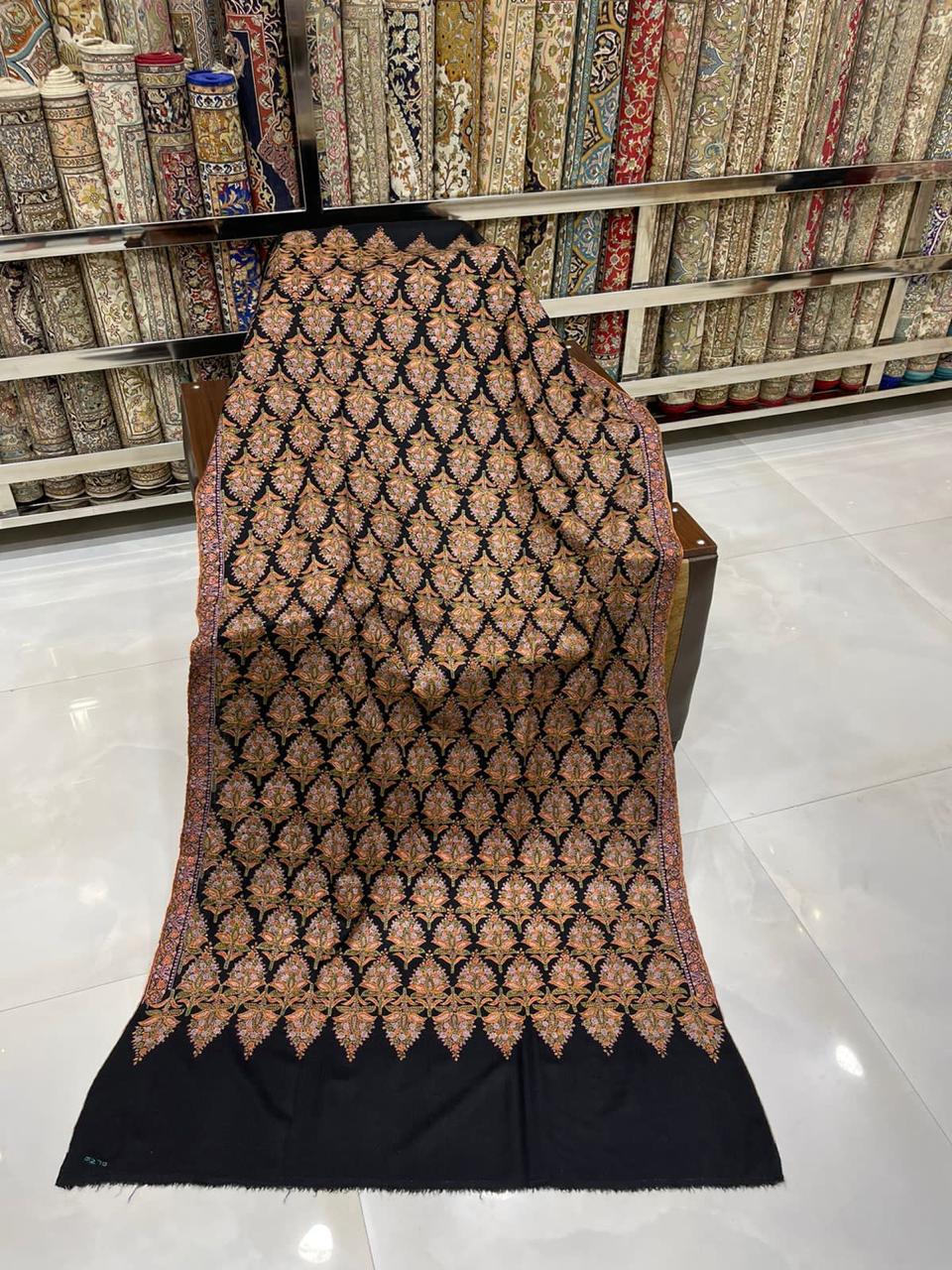
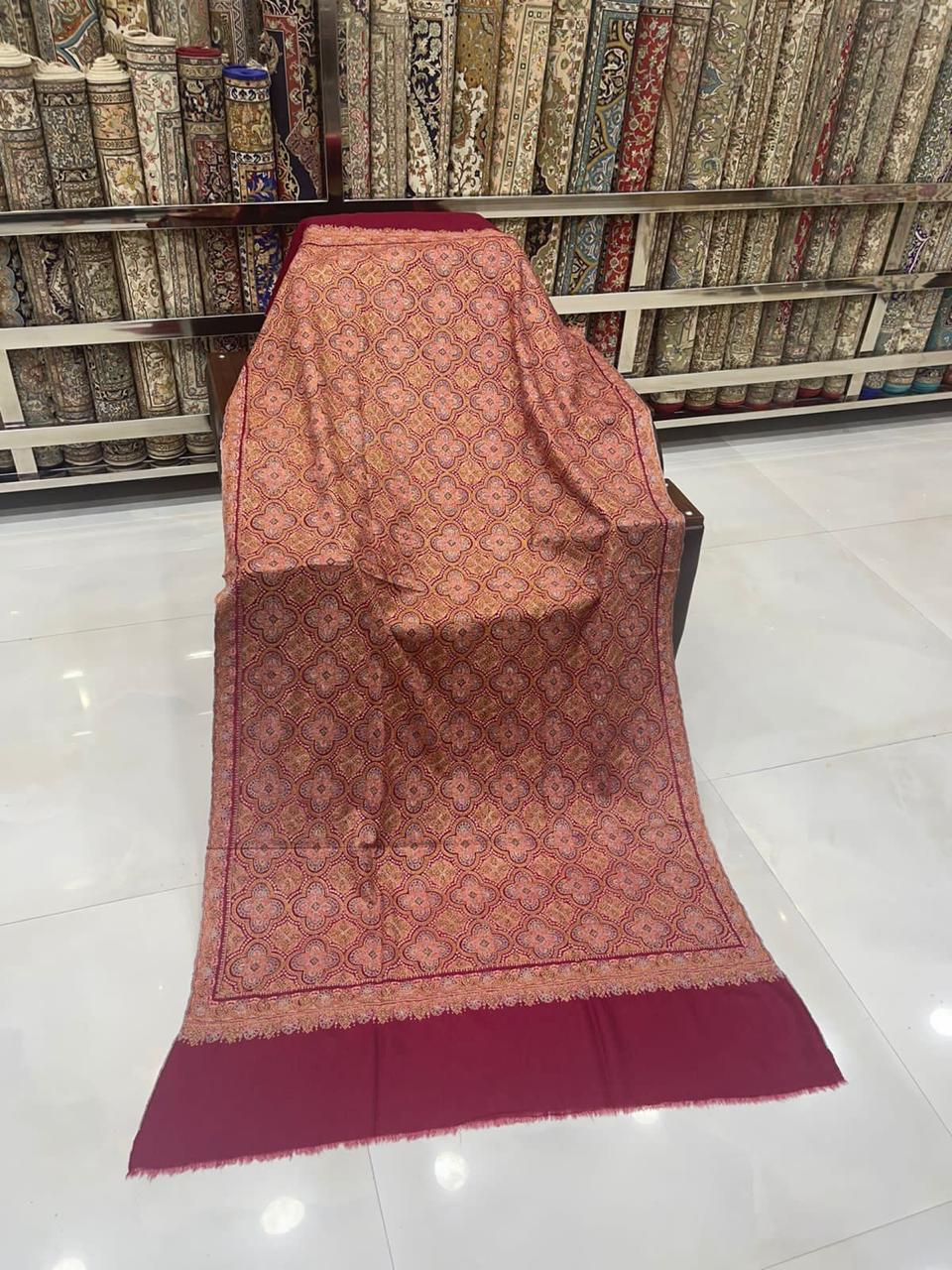
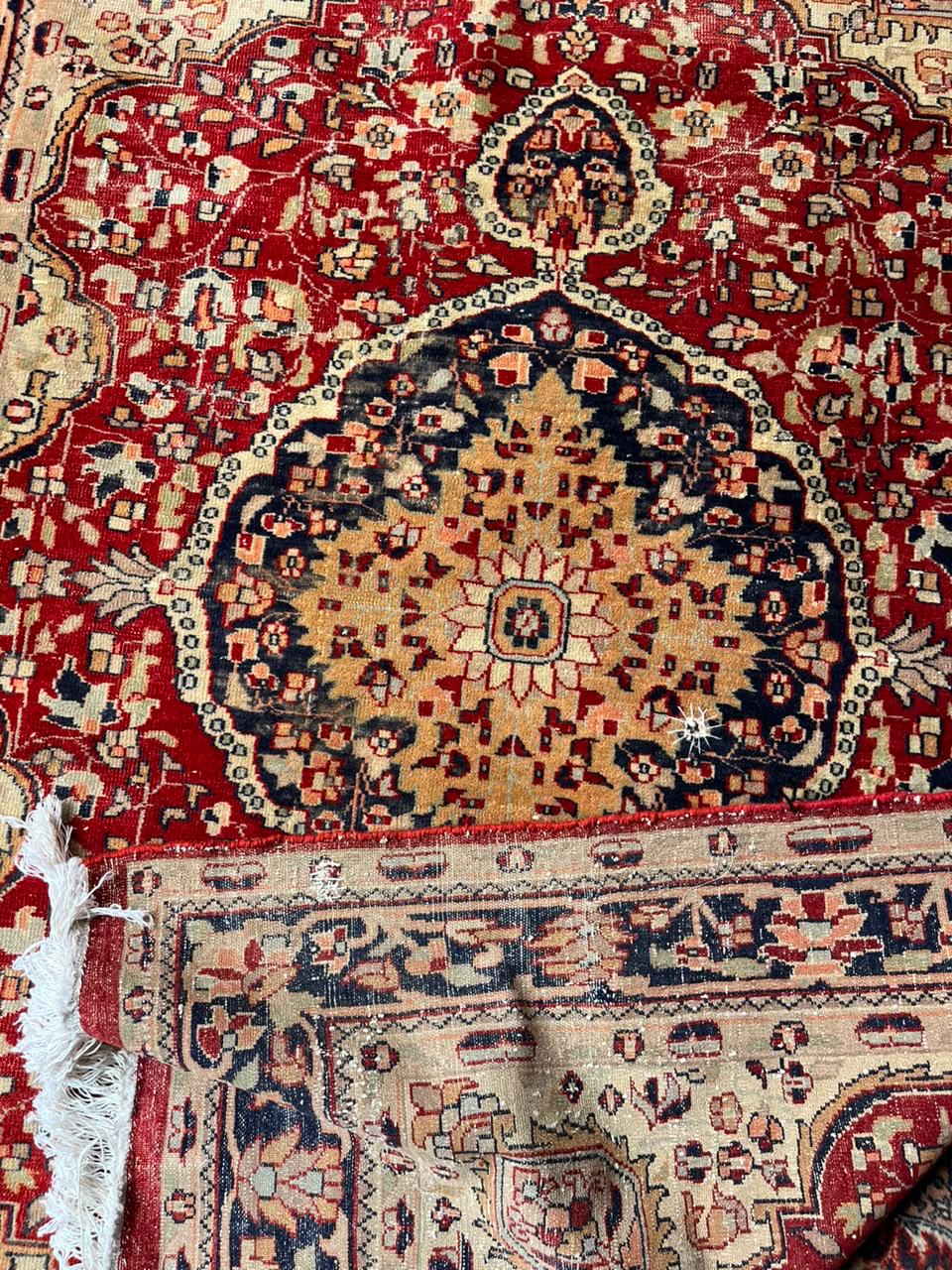
At the other end of the visual spectrum are shawls carrying elaborate embroidery, woven pattern, or dense all-over work. In Kashmir, motifs can unfold as borders, corner arrangements, flowing vines, flowers, paisleys, or fields that appear almost painted from a distance. The value of such a piece is not determined by how much empty space has been filled. Good ornament needs composition. The work should respect the shawl beneath it, allowing the cloth to remain wearable rather than turning it into a stiff display surface. Colour relationships, stitch control, spacing, and the intelligence of the motif all matter.
Different forms of decoration demand different kinds of labour. A restrained border may suit a buyer who wants a shawl to live comfortably with many outfits. A heavily worked piece may be chosen as a collector object or for occasions where its full visual presence can be appreciated. Neither should be sold through vague claims. The buyer should know whether the pattern is woven or embroidered, how extensive the handwork is, whether the base cloth is plain or patterned, and what care the finished surface requires. A high price should be explained by specific work, not by adjectives alone.
“The finest shawl is not always the one with the most work. It is the one in which fibre, weave, colour, and handwork agree with one another.”
Understanding price without mystery
Pashmina prices can span a very wide range because the category includes genuinely different objects. A simple, lightly finished shawl intended for daily wear does not involve the same labour as a complex, densely embroidered piece. Fibre quality, purity, dimensions, fineness of spinning, weaving difficulty, finishing, design, embroidery technique, density of work, and the experience of the artisans all influence the final value. The honest approach is to describe the piece in front of the customer rather than use the prestige of the word Pashmina to justify any price.
At The Kashmir Knot, our enquiry process exists precisely because these distinctions deserve conversation. A buyer may want a thoughtful gift within a modest budget, a plain shawl for regular use, or a richly worked piece that feels significant enough to mark an occasion. We can discuss what changes across those choices and show close views before confirmation. We do not believe a customer should be surprised by price. The useful surprise is discovering how much thought, time, and skill can live within a cloth that feels almost weightless.
What authenticity can and cannot be
Authenticity should not be reduced to a dramatic ring test, a burn test performed for entertainment, or a promise that one touch can settle every question. Some popular tests are unreliable, destructive, or easily imitated. A better assessment combines documentation with informed observation: the seller's traceability, fibre information, the character of the weave, close-up examination, and, where applicable, recognised testing or certification. Kashmir Pashmina is registered as a Geographical Indication in India, but a general mention of GI should never be used as a blanket claim for a specific piece without the relevant support.
Buyers should also be cautious of perfection used as proof. A handmade shawl can show subtle human variation, yet variation alone proves nothing. Machines can imitate irregularity, and poor handwork can still be poor. The goal is not to romanticise every uneven thread. It is to understand the whole object. Ask for clear photographs in natural light, close views of the weave and edge, and an explanation of the technique. Ask how the shawl should be stored and cleaned. A seller who respects the piece should be comfortable discussing its limits as well as its beauty.
Living with Pashmina
A shawl becomes meaningful through use. It warms a shoulder during travel, softens formal clothing, returns each winter, and begins to hold the memory of the person who wears it. That life requires gentle care. Avoid hanging a heavy or embroidered shawl for long periods, because gravity can distort it. Store it clean, dry, folded, and protected from moths without allowing harsh chemicals to touch the cloth. Air it occasionally. Keep jewellery and rough surfaces from snagging fine fibres. When cleaning is necessary, choose a professional who understands delicate natural fibre and decorative handwork.
Over time, a good shawl may become softer and more personal. It should not be treated as fragile to the point of fear, nor as an ordinary synthetic scarf that can withstand anything. The right relationship lies between those extremes: use it, notice it, and care for it. Pashmina is extraordinary precisely because it turns a response to a severe mountain climate into something intimate and humane. Its luxury is not loud. It is the quiet intelligence of warmth, lightness, and work carried close to the body.
When enquiring, tell us how you plan to wear the shawl, the climate it will live in, your preferred colours and your budget. We will help distinguish simple daily pieces from elaborate collector work without inventing certainty where it does not exist. Continue with the Shahtoosh versus Pashmina legal and fibre guide, the Pashmina authenticity and buying guide, explore the current Pashmina shawls, or request a private video viewing for an exact piece.